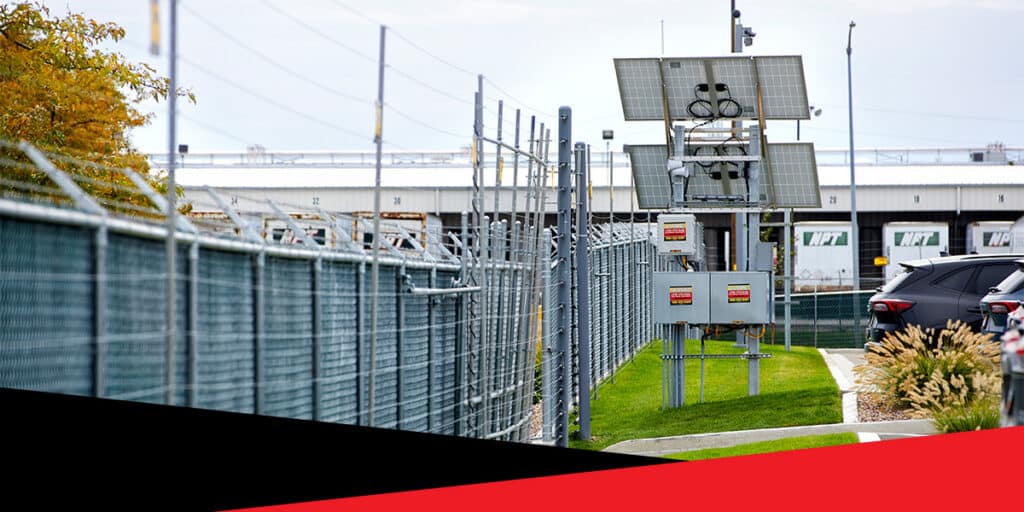

Weekends pose a major security risk that demands proactive perimeter protection. Commercial sites are quieter and response times are slower on weekends, leaving assets unattended. Thieves exploit this pattern.
Construction sites, industrial yards, utilities, and logistics hubs are the most exposed to theft over the weekend. Losses often go unnoticed until operations resume, leading to significant and far-reaching damage. The damage includes operational delays, monetary losses, increased insurance premiums, reputational harm, and lowered employee morale. A proactive security solution is imperative for 24/7 protection of your people, assets, and bottom line.
The Psychology Behind Weekend Theft
Thieves who target commercial sites over weekends make conscious decisions based on observable patterns, opportunities, and risk assessments. Criminologists describe this decision-making using frameworks such as routine activity theory. In plain terms, criminals look for high-value opportunities when no one is watching.
Experienced thieves study a site’s routines before acting. They observe when and how gates close, whether lighting is consistent, and how long yards remain unattended. Visible activity gaps, such as unstaffed perimeters, signal easy access with minimal risk of interruption.
Often, reconnaissance begins days in advance, as intruders note where assets are staged and identify weak spots in fencing or camera coverage.
The Friday-to-Monday Risk Gap
Most commercial sites reduce staffing after business hours. Many are fully unmanned from Friday evening to Monday morning. This window gives thieves time to breach the perimeter and take high-value assets without interruption. As places such as construction sites or model homes experience a lull in activity, they may be vulnerable to commercial theft for hours or even days, particularly over a weekend.
The statistics are clear:
- The FBI reported nearly 500,000 burglaries in the U.S. in 2025.
- A CargoNet analysis shows a pattern where theft surges on Fridays after a midweek dip.
- The National Equipment Register shows construction theft losses are between $300 million and over $1 billion, with most incidents occurring when sites are inactive.
Weekend theft is rarely opportunistic and tends to focus on targeted assets that are easy to resell. Criminals focus on these assets, which are often stored near perimeter lines, for fast returns:
- Copper wire and scrap metal
- Heavy equipment and attachments
- Catalytic converters
- Fuel and generators
- Tools staged near access points.
3 Operational Protocols for Weekend Security

Weekend security starts with operational discipline. Strong procedures reduce exposure and support any technology you deploy. These operational protocols address common weaknesses seen in weekend theft investigations:
1. Key Management
Shared keys, unsecured lockboxes, and outdated access lists undermine perimeter security. Establish a strict “Friday lock-up” rule, where all vehicle keys are removed and stored in a safe location within one of your buildings. Effective key management can include:
- A documented chain of custody for all physical keys
- Immediate rekeying after employee turnover
- Restructured master key access
- Secure storage, not inside vehicles or jobsite trailers
Electronic access control systems, such as credential readers and encrypted proximity cards, reduce risk when they are actively managed and maintained. Inactive badges for temporary or previous employees should never remain valid over a weekend.
2. Asset Staging
How assets are staged can determine how fast they are stolen. Thieves often look for equipment near fences, gates, or in areas with limited visibility. Weekend staging should slow removal, minimize loitering, and enhance visibility. Best practices include:
- Parking heavy equipment nose-to-nose to impede removal
- Storing high-value items away from perimeter lines
- Lowering booms and attachments to the ground
- Removing keys and immobilizing equipment.
3. Gate Verification
Gates without specialized locks or reinforcement fail easily, especially when left unlocked, propped open, or improperly secured before the weekend. A proper gate verification process should confirm:
- Locks are engaged and undamaged
- Hinges and rollers are intact
- There are no gaps under or around the gate
- Access controls are functioning as intended.
Assumptions create risk. Verification should be documented and completed before crews leave on Friday.
Automating Weekend Protection 24/7
While operational discipline reduces risk, only automation delivers the continuous control and visibility needed for unstaffed weekends.
Many businesses still rely on guards or passive systems during off-hours. Weekends reveal the limits of both approaches. Guard coverage is finite because a single guard cannot monitor every access point simultaneously, especially across large properties. Overnight shifts increase fatigue, and response time varies. Staffing shortages across the security industry further limit reliability.
Passive systems also fall short. Cameras record activity but don’t stop it. Alarms signal an event but often lack context or verification. Without certification, alerts may be ignored or delayed, allowing theft to go unchecked. Automated perimeter security changes the equation by addressing threats as they occur.
Many organizations have strong digital security controls in place, including network monitoring and access management. However, these protections don’t prevent physical intrusions at unstaffed sites over the weekend.
Active Deterrence
Active deterrence is the critical first layer of your multi-layered security strategy, stopping threats before they reach critical assets. Early intervention is more effective at preventing loss and reducing post-theft expenses, such as cleanup, recovery, and response. This proactive approach changes the risk dynamic. An active deterrent transforms a passive perimeter into a zone that deters criminals from attempting a breach.
Active deterrence systems:
- Start at the perimeter, setting a strong boundary
- Use continuous video monitoring with trained operators
- Offer real-time visual verification of key perimeter points
- Illuminate the property, supporting video monitoring
From a cost perspective, perimeter deterrence reduces the frequency and severity of incidents that will need insurance claims and lead to operational disruption. By elevating the perceived difficulty and risk of intrusion early, organizations improve outcomes and avoid the ripple effects of responding to completed theft. This principle of deterrence before reaction is essential to your physical security strategy.
Secure Your Business With AMAROK
The risk between Friday evening and Monday morning is well-documented. Criminals target empty sites and exposed assets while relying on delayed response times. Passive defenses leave gaps that are easily exploited. Strong perimeter security combines preparation and technology, including disciplined operational protocols, verified access points, and automated systems that actively deter perimeter breach attempts.
AMAROK helps commercial operations protect their perimeters when no one is on-site. Through active deterrence with our flagship product, The Electric Guard Dog™ Fence, visual verification with Remote and Mobile Monitoring, and Perimeter Alarm-Based Lighting Systems, AMAROK stops theft before it happens. Our solutions prevent 99% of external theft for our customers after installation.
Contact us today for a free, on-site threat assessment and let our security experts close your Friday-to-Monday risk gap.