
Old security methods are failing against a wave of organized, strategic cargo theft. Now, criminals are using sophisticated tactics, such as forged digital credentials, to impersonate legitimate carriers. Annual cargo theft losses exceed $35 billion, with the average incident valued at over $202,000 and the highest impact occurring in California, Texas, Illinois, Florida, and Washington
Most high-value theft incidents aren’t committed by lone actors. They’re executed by well-funded criminal organizations with logistics expertise. These technologically savvy thieves exploit vulnerabilities using prior experience or inside sources. They work hard to appear legitimate and professional. The solution requires adopting a strategy with proactive security, implementing verification protocols, and educating frontline staff.
Tactics Used During Fraudulent Carrier Pickups
Knowing the common tactics criminals perform during fraudulent pickups is the first step in freight fraud prevention. Watch out for the following:
1. Impersonating a Known Carrier
Criminals don’t just use a fake ID. They replicate a legitimate company’s entire identity, including logos, truck markings, and paperwork, to appear authentic. This carrier impersonation has victimized even well-established logistics companies.
Fictitious pickup fraud involves using falsified contact information, forged documents, and look-alike email domains. Since today’s freight networks rely heavily on digital platforms, it’s especially important to watch out for load board fraud. Scammers may post nonexistent loads to lure carriers into providing sensitive information.
2. Using Stolen Motor Carrier and USDOT Numbers
Trucking companies operating across state lines have a motor carrier (MC) number. These companies may also have a USDOT number, which is another identifier used when collecting a company’s safety information during audits and compliance reviews.
To perform fraud, criminals may act as a broker without an MC number or use an existing MC or USDOT number from another legitimate carrier. A simple database check might show the number is valid, which is why you need deeper carrier verification procedures. Criminals may even purchase legitimate carrier numbers that are dormant to hide in plain sight. Cloning can be involved, creating near-identical company names with similar MC and DOT numbers.
If left unchecked, unauthorized parties can secure loads, reroute shipments, or intercept freight. These pickup fraud tactics victimize brokers and carriers alike.
3. Arriving With Vague or Incomplete Load Details
A driver who is uncertain about the load number, destination, contents, or appointment time raises a red flag. Fraudulent actors also provide incomplete or nonspecific information about the load, pickup requirements, and delivery specifications. A legitimate driver will follow proper pickup security procedures and have all details ready and accessible.
4. Pressuring Staff to Rush the Process
This pressure tactic is a form of social engineering. Criminals create a false sense of urgency to push staff into skipping vital security checks. New carriers may be especially targeted because criminals know they are interested in loads and might skip due diligence.
5. Parking Out of Sight
Cargo theft can happen when freight is forced to stop in unsecured locations. Hours-of-service limits may also force drivers to make last-minute parking decisions.
However, a driver specifically wanting to park in a dark corner of the yard or away from security cameras may be trying to obscure their identity. They could be hiding their tractor details, trailer details, or their activity. Criminals exploit unsecured or unmonitored areas of a facility to avoid detection.
6. Trying to Bypass Normal Gate or Dock Procedures
A fraudulent driver might claim they’re running late and need to go to a different dock. They may try to talk their way past the check-in station, exploiting informal workarounds. Watch out for drivers who don’t match the carrier booked. Without instant validation against the original appointment, unauthorized drivers can pass checks.
Trailer swaps and load impersonation can occur, with a legitimate appointment masking a different trailer, tractor, or driver. Failing to log entry and exit also poses problems.
Strategic Countermeasures to Reduce Fraudulent Pickups
Preventing freight fraud requires a multi-layered defense. You’ll need a combination of physical security, strong processes, and well-trained people. These freight fraud prevention best practices work together to create an environment where fraudulent pickups become hard to execute.
1. Adopt Strong Perimeter Security Measures
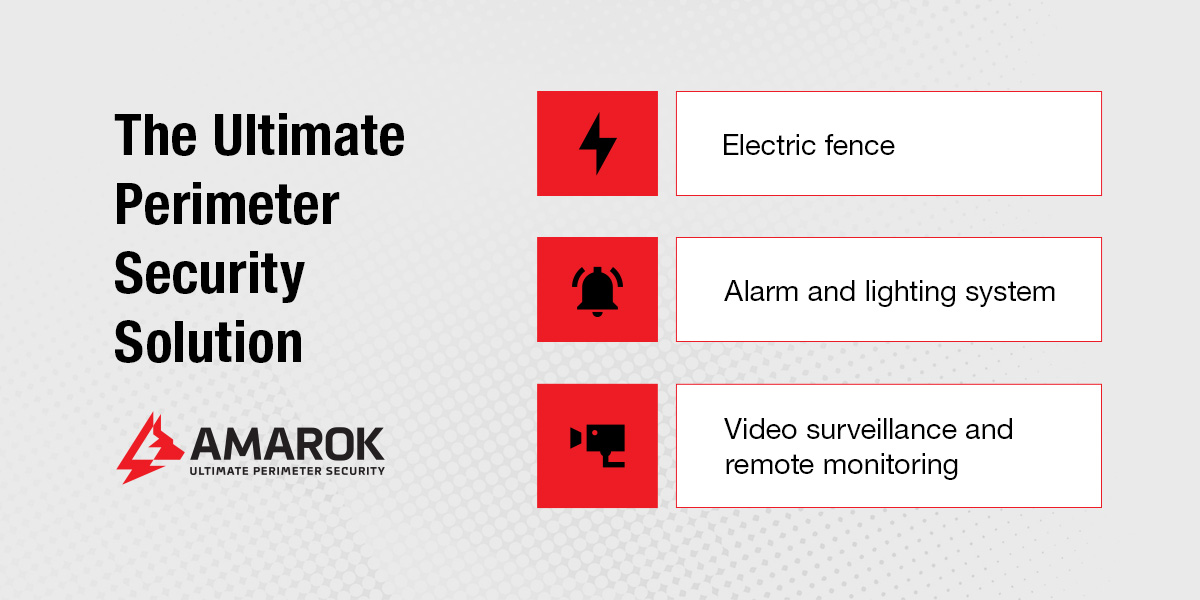
A strong perimeter is the first layer of defense, acting as a physical and psychological deterrent. Criminals assess your facility before attempting theft. If they see robust perimeter security, they’re more likely to move to an easier target.
Essential perimeter security systems include:
- Electric fence: Prevents theft proactively with a fully monitored, medically safe shock deterrent
- Alarm and lighting system: Alerts your team of intrusion attempts, enhancing security in high-risk areas such as remote or dark facility locations
- Video surveillance and remote monitoring: Enables your team to record evidence of potential crime while remote security professionals spot threats in real time
2. Implement Stricter Gate Protocols
The gate is a critical chokepoint where you verify freight carriers. At this chokepoint, paperwork, driver identity, and vehicle details must be scrutinized without exception. Gate access control systems secure entry and exit points without slowing down operations. They restrict vehicle and pedestrian access to authorized users.
When performing background checks on carriers and drivers, know that top search engine results can contain fake profiles created by scammers. If you suspect something is not right, research the relevant contact information in the SAFER database and call the companies to confirm.
3. Improve Documentation Procedures
You need a nonnegotiable documentation checklist for every single pickup. Verify all documentation thoroughly, especially certificates of insurance, which fraudulent carriers often forge.
Requests for modifying pickup locations, delivery instructions, or dispatcher contracts should be treated as high-risk. Watch out for recently activated MC numbers with no operating history, or look for a change of ownership of MC numbers. Criminals may also have professional-looking websites but no social or digital footprint.
4. Enhance Employee Training
Scenario-based training helps staff spot and stop fraud in real time. This approach builds awareness, strengthens processes, and makes security culture part of everyday operations. Organizations that train their workforce gain a competitive advantage, especially in cargo theft hot spots.
When training your staff, tailor scenarios to mirror specific challenges faced by warehouse and trucking workers. Continuous, relevant training keeps necessary skills top of mind.
5. Use Modern Technology for Real-Time Verification and Tracking
Integrated security technology provides an essential layer of automated verification, from intrusion detection to real-time monitoring of assets. For instance, with configurable authorization, building intrusion detection systems protect your interior facility while safeguarding property, people, and business assets from internal or external threats. These systems document employee entries and exits. They also enable you to respond to irregular activities promptly through in-app notifications.
6. Develop a Rapid Incident Response Plan
Even with the best prevention, you need a plan for what to do the moment you suspect a theft incident. This action plan can minimize losses and speed recovery. Your incident response plan should include incident identification and notification procedures. It should also outline processes for security coordination with law enforcement and internal communication strategies.
Prevent External Theft With AMAROK
Proactive, layered security is the only reliable answer to modern cargo theft. AMAROK delivers this comprehensive solution. Our approach prevents 99% of external theft through integrated perimeter protection that stops criminals before they can execute fraudulent pickups. The solution starts with The Electric Guard Dog® Fence, which integrates with your existing fence and provides a safe but memorable shock.
Combined with advanced surveillance and Gate Access Control, you create complete protection that safeguards your facility. Your first step is a free, no-obligation risk assessment. Our team will identify vulnerabilities and design a customized security solution for your cargo operation. Find your nearest AMAROK representative to elevate your security today.