" "

Security Vulnerability Assessment Framework

According to an FBI report released in 2024, there were over 6 million property crime incidents in the United States in the previous year, resulting in over $280 billion in estimated losses. Commercial properties face escalating security threats that require systematic evaluation and proactive mitigation. A structured security vulnerability assessment identifies weaknesses before criminals can exploit them. 

This systematic framework reveals how to assess vulnerabilities across your facility, creating actionable intelligence that transforms security from a reactive expense to a strategic investment protecting assets, operations, and business continuity.
Why Security Vulnerability Assessments Matter

Criminal threats against commercial properties continue escalating at alarming rates. FBI data shows about 1,900 property crime incidents per 100,000 people, with commercial facilities absorbing substantial losses.

Without systematic security vulnerability assessments, businesses operate blindly while criminals probe for weaknesses. Professional assessments expose hidden risks before exploitation occurs. They transform vague security concerns into specific, actionable intelligence, shifting security strategy from reacting to incidents after losses occur to preventing breaches. These threats create measurable business impacts that extend beyond stolen assets:

EGD Fence

Common Security Frameworks for Perimeter Security

Professional security standards guide organizations through systematic vulnerability identification and mitigation. These frameworks provide tested methodologies that address physical security comprehensively. They emphasize layered security architectures, stating that effective protection requires multiple defensive barriers, detection systems that identify breaches immediately, and response protocols that minimize losses if incidents occur.

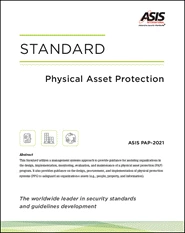
ASIS International’s Physical Asset Protection Standard

This framework delivers a management systems approach for designing, implementing, monitoring, and maintaining security programs. The standard requires systematic methods to identify threats and vulnerabilities that organizations face. It mandates executive leadership involvement, coordinating people, procedures, technologies, and equipment into unified protection strategies. This comprehensive approach recognizes that security failures often result from component gaps rather than individual weaknesses.

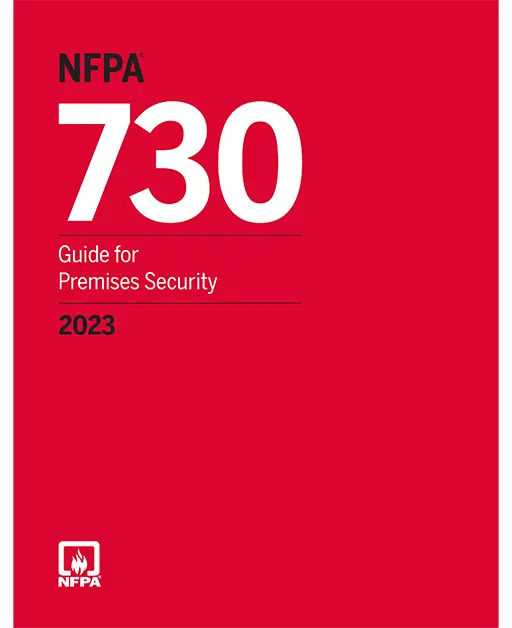
NFPA 730: Guide for Premises Security

The NFPA 730 offers construction, protection, special features, and procedures for minimizing security vulnerabilities. It presents updated guidelines covering security planning, administrative controls, perimeter systems, and environmental design principles. These guidelines apply across industrial facilities, warehouses, distribution centers, and commercial properties where perimeter security forms the critical first defense layer.

DHS Interagency Security Committee (ISC) Physical Security Criteria

This framework establishes policies and recommendations governing physical security at federal facilities. The Risk Management Process Standard matches protection levels to identified risks through seven countermeasure categories spanning site perimeter security through operational protocols. 

The Value of Professional Security Vulnerability Assessment

Third-party experts provide in-depth security vulnerability assessments with competitive advantages, including:
  • Objective evaluation: External professionals offer fresh perspectives, allowing them to uncover risks that internal stakeholders may overlook due to their routine exposure to the issue. 
  • Threat intelligence: Security specialists maintain extensive databases tracking criminal methods, seasonal patterns, and industry-specific risks. This intelligence surpasses anything available to individual businesses. 
  • Technical knowledge: Experts understand complex vulnerability interactions, where multiple minor weaknesses combine to enable major breaches. They also recognize sophisticated criminal techniques that defeat standard protections.
  • Compliance expertise: Professional assessors track regulatory requirements across jurisdictions. They ensure evaluations address legal obligations while identifying cost-effective compliance strategies. 
  • Strategic prioritization: Specialists rank vulnerabilities by exploitation probability rather than theoretical possibility. They ensure security investments generate maximum risk reduction within budget constraints. 
A Man Is Giving a Presentation to a Group of People

How to Perform a Security Vulnerability Assessment at Your Company

Effective security vulnerability assessment follows a structured methodology enhanced by specialized expertise. While internal teams contribute institutional knowledge, getting a professional assessment by external security professionals provides unbiased evaluation and current threat intelligence. 

A thorough security vulnerability assessment begins with complete asset documentation, including equipment yards, warehouses, vehicle fleets, and storage areas. Quantify direct replacement costs and indirect impacts from operational disruption. 

Map existing security measures, identifying critical vulnerabilities where losses would impact operations. Consider seasonal variations and shift patterns affecting risk exposure.

Analyze criminal activity patterns specific to your industry and location. For example, trucking companies face catalytic converter and Computer Powertrain Control (CPC) module theft, while equipment rental operations lose high-value equipment to organized theft rings. 

Security professionals maintain access to crime databases and intelligence networks that reveal threats beyond public statistics, including emerging crime tactics.

Systematic examination exposes weaknesses that criminals exploit. Inspect the perimeter for fence integrity, cut points, and climbing opportunities. Nighttime conditions will reveal whether any lighting present eliminates concealment or creates false confidence. 

Test access control at vehicle gates, pedestrian entries, and loading docks for bypassed or nonfunctional systems. Be sure to perform surveillance coverage mapping as well to identify blind spots and inadequate recording capabilities. 

Quantified risk analysis transforms observations into actionable priorities. Established frameworks from the National Institute of Standards and Technology (NIST) and ASIS International provide consistent evaluation methodologies. 

Risk calculations multiply threat probability by potential impact severity. For example, a frequently targeted copper storage yard with chain-link fencing represents high-probability, high-impact risk demanding immediate attention. This prioritization ensures limited budgets address the most dangerous exposures first while building comprehensive protection over time. 

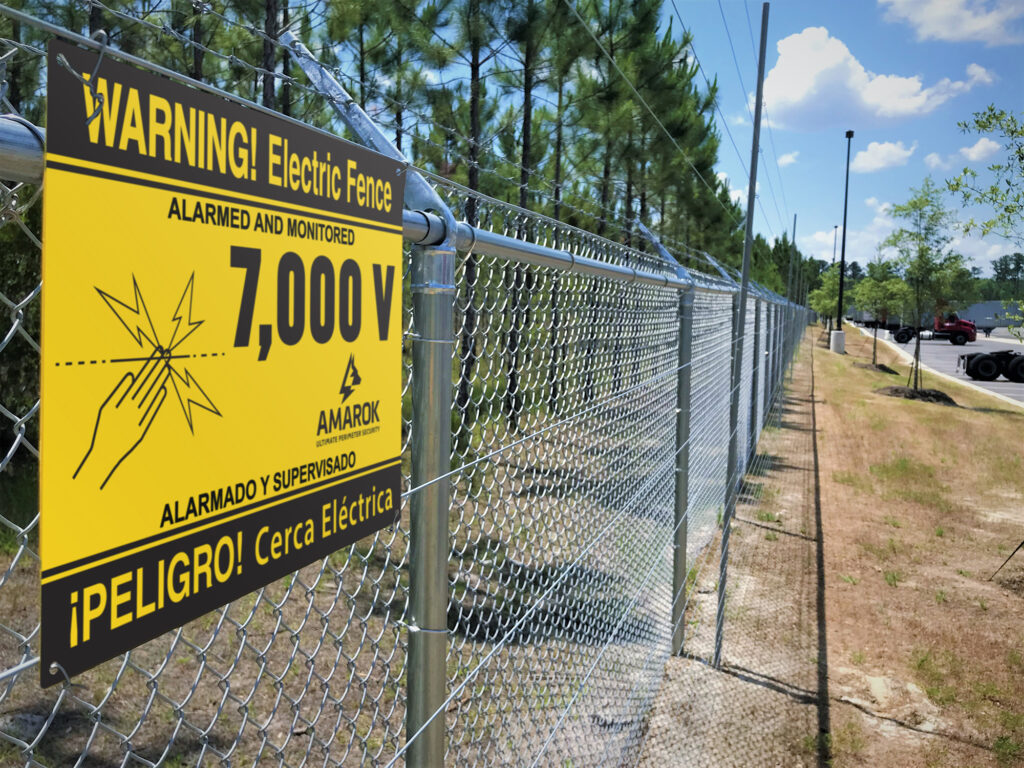
Effective countermeasures address specific vulnerabilities through layered protection. Strengthening your perimeter protection with an electric security fence provides the foundation. Additional layers of protection, such as advanced video surveillance, access control systems, professional remote monitoring, and upgraded perimeter lighting, all serve to further enhance security. 

To ensure comprehensive solutions that stay up to date, work with a professional provider that uses a security-as-a-service model.

Security environments evolve, and ongoing vigilance ensures consistent security. Review incident reports quarterly, analyzing breach attempts and false alarms. Conduct annual comprehensive reassessments addressing operational changes, monitoring emerging threats through industry alerts and professional networks. 

Metrics provide security effectiveness, including incident reduction, response times, and prevented losses. Leading security providers deliver continuous threat updates and technology improvements.

Quotes from the Experts

Get Your Security Vulnerability Assessment

A professional security vulnerability assessment reveals hidden risks threatening your business. AMAROK provides excellent vulnerability assessments, with experience protecting over 8,000 sites across 49 states. Our security experts understand industry-specific risks for sites ranging from trucking yards to utility substations. The comprehensive threat assessment process examines perimeter integrity, access control effectiveness, surveillance coverage, and operational vulnerabilities. Our findings align with ASIS, NFPA, and regulatory standards while addressing unique business requirements. 

Request your free threat assessment to identify vulnerabilities and implement effective countermeasures to protect your assets, employees, and business reputation. 

Add Your Heading Text Here

Lorem ipsum dolor sit amet, consectetur adipiscing elit. Ut elit tellus, luctus nec ullamcorper mattis, pulvinar dapibus leo.