Why Alarms & Cameras Aren't Enough to Prevent Theft.
Many teams measure incidents effectively. Fewer reduce how often they occur. This white paper shows how to reduce incidents, not just track them, by adopting a prevention-first strategy.
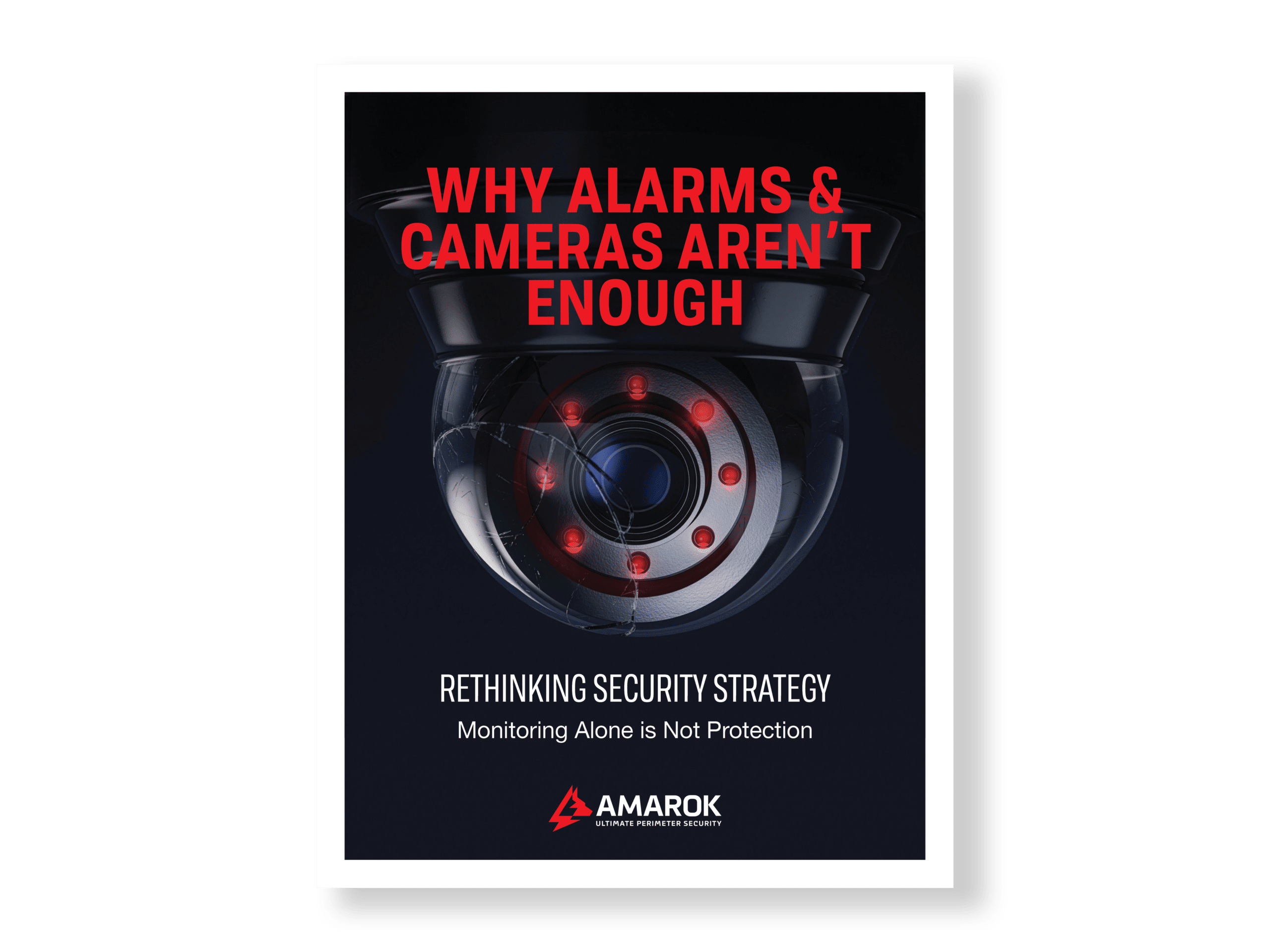
Get Your Free Copy of the Whitepaper
Fill out the form below and we’ll send the whitepaper directly to your inbox!
See What Most Security Strategies Miss
Inside this whitepaper, you’ll find:
Detection Gaps in Traditional Systems
Why alarms and cameras often respond too late to stop intrusion.
The Reality of False Alarms
How 94–98% false alarm rates impact response time and risk prioritization.
The True Cost of Theft
Operational disruptions that extend beyond insurance and asset loss.
The Rise of Organized Theft
How targeted, strategic crime is changing today’s security landscape.
From Reaction to Prevention
A structured approach to reducing risk before incidents occur.
The Gap Between Detection and Prevention
Security systems have evolved, but their core function has remained largely the same: detect, record, and respond.
This model assumes that response is enough.
However, as criminal activity becomes smarter, deliberate, and targeted, the limitations of detection-based systems become more apparent.
Alarm systems frequently generate false alerts, reducing urgency and effective response
Surveillance continues to expand yet does not inherently prevent intrusion
For organizations responsible for operational continuity, the more important question is not what happens after an incident, but why it was allowed to occur in the first place.