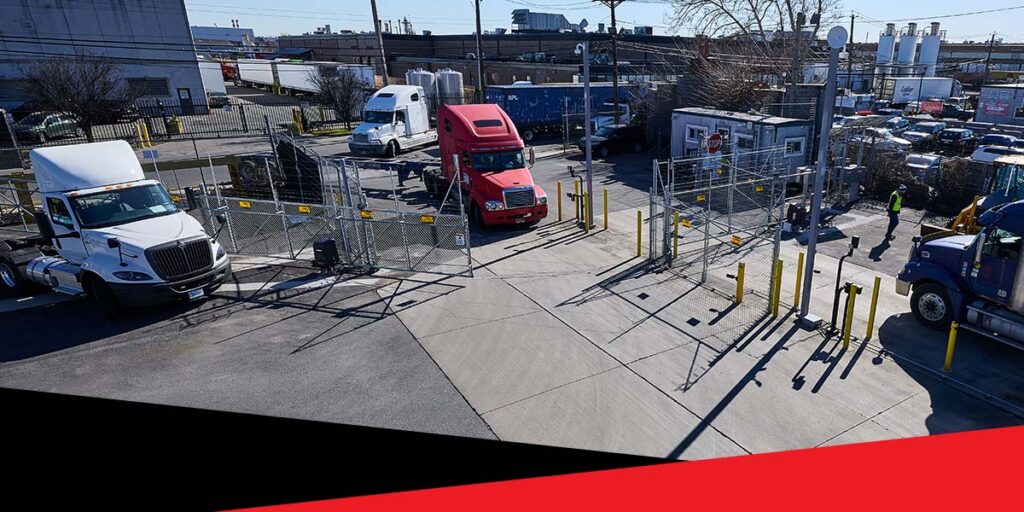

The effects of holiday theft extend beyond inventory loss and financial losses. The season creates vulnerabilities through heavier traffic, higher stock levels, and tighter turnaround times. Many businesses rely on seasonal workers and extended hours for rapid fulfillment, all of which strains existing processes.
When these factors overlap, theft creates a ripple effect from finances to business reputation. Understanding the direct and indirect operational and reputational costs of holiday theft helps you protect your operations to maintain steady performance during the busiest time of the year.
The Financial Impact of a Single Incident
Holiday theft delivers an immediate financial blow, but the effects rarely end with the value of stolen inventory. A single breach can trigger a chain of expenses, straining budgets into the next quarter. During the holidays, when timelines are already tight, these ripple effects become even more disruptive.
The primary financial effects include:
- Emergency repair and replacement costs: Damage from broken gates, compromised equipment, or damaged storage areas demands immediate repair. Stolen inventory and tools also need rapid replacement, adding to expenses. In construction, for example, only 20% of stolen equipment is recovered. When demand peaks and operations must move fast, these costs often hit hardest.
- Long-term hits from rising insurance: Insurance carriers review every incident, and claims can lead to higher deductibles or premium increases. Even a single theft can significantly impact how insurers assess risk, particularly for operations involving outdoor assets, fleet vehicles, or high-value equipment. Over time, elevated premiums divert funds from more productive business investments.
- Lost revenue from operational downtime: Theft often disrupts workflow, resulting in lost productivity and revenue. Missing equipment stalls jobs, and damaged entry points delay shipment. Teams may need to redirect time toward cleanup, inventory checks, and incident management instead of core responsibilities.
In many cases, there are secondary financial effects as well. After a theft, management time shifts to investigation, reporting, and coordination with law enforcement or partners. There may also be a need for overtime labor to stabilize operations and secure the site. Vendor relationships may require remediation efforts, concessions, or expedited reviews to maintain trust.
The Unseen Toll on Your Operations and People
Holiday theft contributes to broader economic impacts and affects entire industries. When businesses in the supply chain absorb repeated losses, those costs move downstream. The result is an increase in operating expenses and delayed project timelines that create bottlenecks. Beyond the financial impact, holiday theft also strains your business in ways that are difficult to quantify. These operational and human costs quietly undermine performance, morale, and customer relationships.
Delays in Supply Chain and Logistics
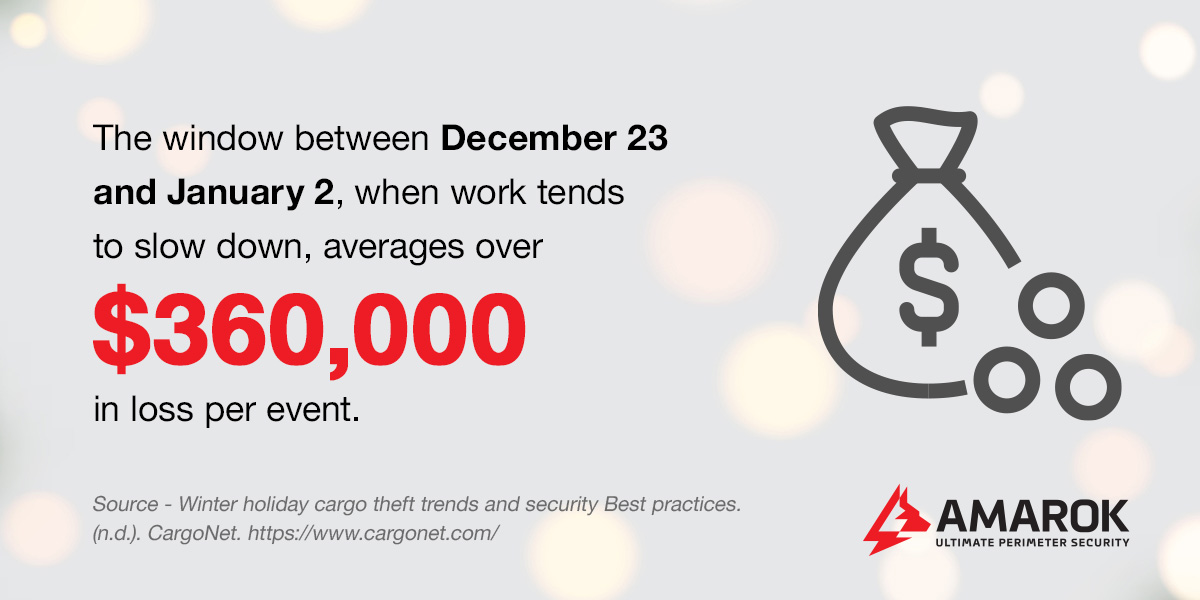
When theft surges, it impacts the whole supply chain. Cargo theft, especially, is on the rise and becoming increasingly sophisticated, with more strategic theft occurring each year. The window between December 23 and January 2, when work tends to slow down, averages over $360,000 in loss per event. Thieves often exploit delivery depots and similar businesses when facilities close or operate with reduced staffing, making parked shipments and trailers easier to target.
These disruptions can derail logistics plans. A diverted shipment means you may fall behind promised delivery schedules, forcing site managers to scramble. Reorganizing routes, reallocating stock, and rerouting freight all carry costs that go beyond financial burdens. Lead times extend, capacity maps are disrupted, and the broader supply chain resilience suffers.
Declining Employee Morale and Productivity
Holiday theft also affects your team. With a security breach, frontline teams suddenly carry extra burdens. They may need to help with incident investigations, inventory audits, or even temporary repairs. This pulls them away from their primary responsibilities and can sap energy at a time when bandwidth is already stretched.
For depot or warehouse teams, morale can quickly drop when they feel unsafe or unsupported after a perimeter breach. In construction, stolen tools or machinery can cause teams to idle or reassign tasks, adding frustration. This results in lost labor hours in addition to potential turnover risk at exactly the moment when you need staffing consistency.
Reputational Costs and Loss of Customer Trust
External theft affects how customers perceive a company’s reliability. When delivery depots miss scheduled dispatches, fleets reroute, or construction milestones slip, customers notice. For commercial customers depending on timely deliveries or site progress, failing to meet service level agreements can erode trust quickly.
When customers hear about stolen cargo, confidence in your operation takes a hit. Over time, that translates into lost contracts or a damaged reputation, especially among customers who expect consistency and tight security.
The Overlooked Legal and Compliance Ramifications
When theft is tied to perceived negligence, such as inadequate security, poorly maintained premises, or failure to address known risks, your company can face fines and regulatory scrutiny. For example, if a theft stems from avoidable conditions, plaintiffs can argue that inadequate security contributed to losses. This increases your exposure to litigation and settlement costs.
The stakes rise when third-party goods are involved. Many supply agreements require businesses to safeguard inventory under certain conditions. A theft resulting from lapses in security can be interpreted as a breach of contractual obligations, triggering penalties or loss of preferred supplier status. Vendors and partners may invoke indemnity clauses or pursue damages for breach of contract, further compounding financial impact.
Legal costs escalate whether a business pursues restitution or defends against claims. Pursuing the recovery of stolen goods requires investigative expenses, attorney fees, and court costs, with no guarantee of full compensation even if thieves are apprehended. Moreover, defending against negligence, breach of contract, or liability claims absorbs management time and legal resources, and may result in settlements or judgments that exceed the value of the original loss. Overlooking these legal dimensions turns what seems like a seasonal problem into a year-round operational and financial burden.
Stop Holiday Theft With Proactive Solutions from AMAROK
Holiday theft has broad economic impacts that go far beyond the cost of stolen goods. The financial, operational, and human impacts from even a single theft accumulate quickly, creating pressure that lasts long after the holidays end. By identifying on-site vulnerabilities, you can take proactive measures to show customers and employees that you take security seriously.
AMAROK is an industry-leading perimeter security solutions provider for various industries, from trucking yards to equipment rental and warehousing. With our flagship product, The Electric Guard Dog Fence, businesses prevent 99% of external theft after installation. Our security-as-a-service model ensures that you have zero up-front costs, along with unlimited maintenance and repair services.
Safeguard your operations today by stopping theft before it starts. Find an AMAROK representative near you and get started with a free risk assessment.