
Property crime is a threat to commercial businesses across the United States. As organizations face increasingly sophisticated methods of external theft targeting equipment, vehicles, inventory, and materials, single security measures are not enough. The only reliable solution is a proactive, layered security system.
Investing in a multi-layered security system provides the protection you need to stop theft before it happens. This guide explains how layered security works, which layers to prioritize for maximum ROI, and how to implement a layered security solution for your business that protects your property, people, and profits.
What Is a Layered Security System?
A layered security system combines multiple measures that work together to protect a facility. Rather than relying on a single solution, layered security creates overlapping barriers to ensure that if one measure fails, others remain in place. The most effective, integrated security systems follow the five D’s of physical security:
- Deter: Visual deterrents like fencing, warning signs, and lighting discourage criminals from targeting your property.
- Detect: Monitored surveillance cameras, alarms, and sensors identify threats in real time.
- Deny: Physical barriers, such as electric fencing and access control systems, prevent unauthorized entry.
- Delay: Multiple security layers slow down intruders, giving security personnel time to respond.
- Defend: Active response protocols and coordination with law enforcement neutralize threats.
Why Businesses Need Layered Security
Inadequate security leaves commercial sites vulnerable to significant financial and operational risks. Even a single incident can be devastating. For example, CargoNet reports that the average value of property stolen in a cargo theft incident in 2024 was $202,364.
The financial impact extends beyond direct losses, though. When equipment, vehicles, or inventory are stolen or damaged, businesses experience downtime and reputational damage, eroding customer confidence and draining revenue.
Proactive layered security provides substantial ROI by preventing losses rather than reacting after theft occurs. Integrated systems can reduce or eliminate the costs of 24/7 security guards while providing more consistent coverage and saving tens of thousands of dollars or more annually. Ongoing security investments are also typically tax-deductible as operating expenses.
What Goes Into an Effective Layered Security System?
An effective layered security approach involves integrated components working together. Each layer serves a distinct purpose while reinforcing the others to create comprehensive protection. The following are the main layers that form the foundation of many unified security strategies:
Electric Fencing
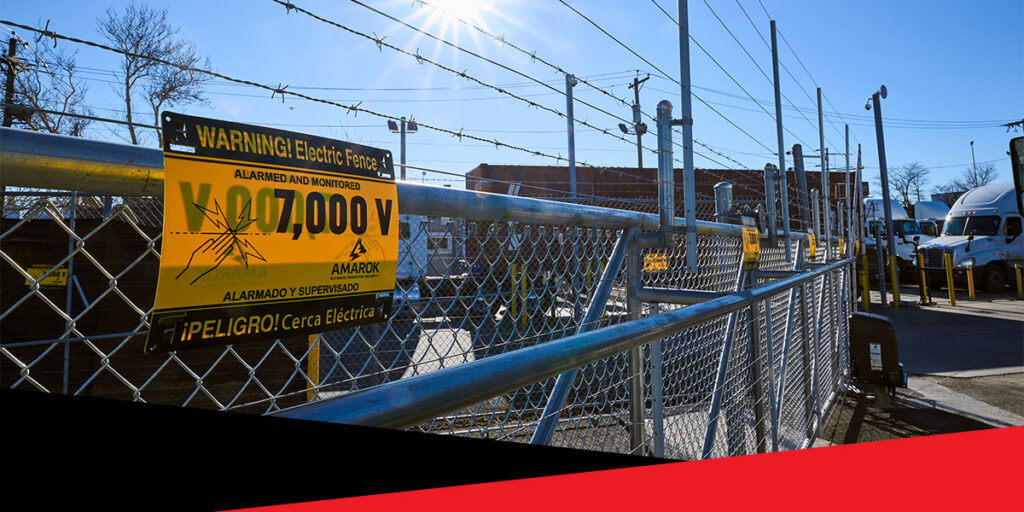
Perimeter security is your first line of defense, establishing a physical boundary that stops crime before it happens. Electric fencing creates both a physical barrier and a psychological deterrent with its imposing height and visible warning signs. It also delivers a safe but memorable shock to would-be intruders who attempt to breach the perimeter.
Video Surveillance and Remote Monitoring
High-definition cameras provide real-time visibility and recorded evidence. Strategic camera placement eliminates blind spots along the perimeter and at critical access points. Pairing video surveillance with remote monitoring ensures security professionals can verify threats and coordinate with responders in real time. A centralized, cloud-based surveillance platform with mobile access allows property owners to monitor sites from anywhere, while recording capabilities support investigations and insurance claims.
Access Control Systems
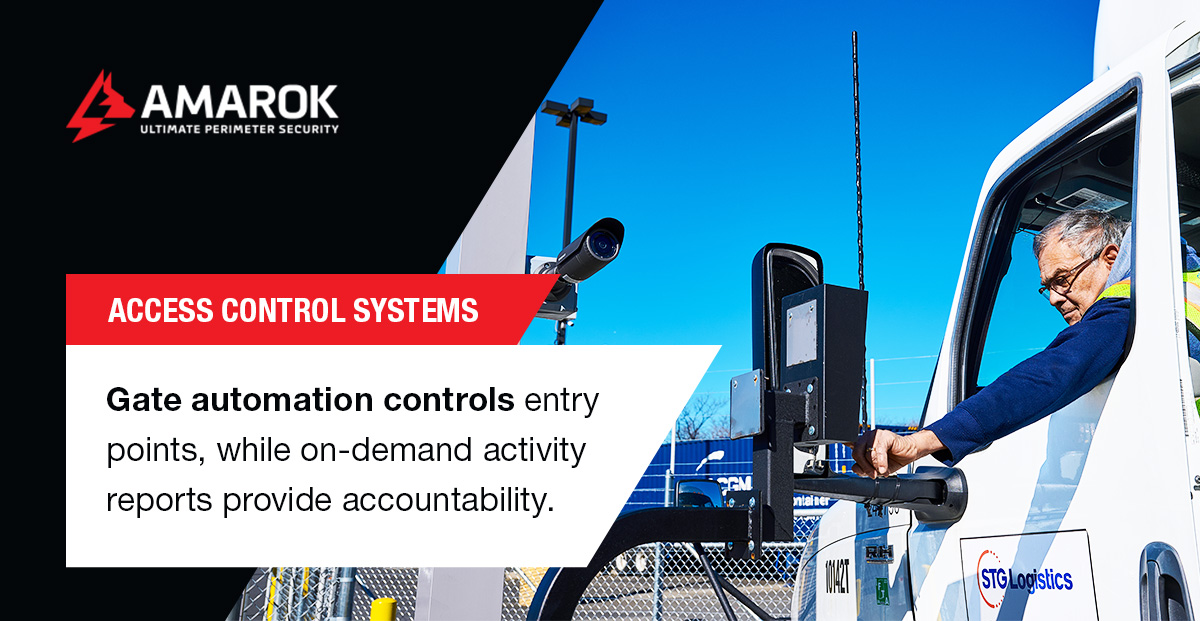
Access control regulates who can enter and exit your property. Systems using key cards, RFID, or other credentials track authorized personnel and prevent unauthorized access. Gate automation controls entry points, while on-demand activity reports provide accountability. Access control is particularly critical for facilities with high vehicle traffic, like distribution centers, trucking yards, and equipment rental operations.
Security Lighting Solutions
Well-lit perimeters eliminate hiding spots and improve camera visibility. Alarm-based lighting activates when an attempted perimeter breach is detected, flooding the area with bright light and putting pressure on the would-be intruder to flee. Plus, energy-efficient LED options reduce the utility costs required for this deterrence strategy.
Intrusion Detection and Alarms
Alarms and building intrusion detection systems protect vulnerable entry points, such as doors, windows, and loading docks. Motion detectors and contact sensors trigger immediate alerts when unauthorized access is detected. Integration with monitored surveillance systems enables visual verification, reducing false alarms while supporting rapid response.
5 Steps for Implementing a Layered Security System
Implementing a multi-layered security system requires a structured approach that identifies vulnerabilities, prioritizes investments, and ensures all components work together effectively. Following these five steps will help you design and deploy a comprehensive strategy to protect your facility:
1. Schedule a Threat Assessment
A professional threat assessment will help you identify potential vulnerabilities on your property. Security experts will also analyze local crime data to assess your level of risk and develop a proactive approach to preventing and deterring theft. This evaluation considers property layout, access points, high-value asset locations, operational hours, local crime trends, and industry-specific threats.
2. Prioritize Risks
Rank vulnerabilities by likelihood and potential impact. Identify high-risk areas requiring immediate attention, like perimeter weaknesses, blind spots, and inadequate access controls. Prioritization ensures you address the most dangerous exposures first, maximizing ROI while working within budget constraints.
3. Design Your Layered Security Strategy
Start with a strong perimeter for deterrence, then build detection layers through surveillance cameras and monitoring. Consider adding layers such as security lighting, access control, and building intrusion detection, based on your site’s needs and budget. Work with a security partner that specializes in integrated systems, so you can add new solutions or cover new sites as your security needs evolve while ensuring all layers work together.
4. Install and Integrate Your Solutions
Partner with a professional installation team to ensure proper integration of all security layers. Look for a security partner with an in-house government relations team to handle permitting and compliance requirements on your behalf, streamlining the process.
5. Train Staff and Establish Protocols
Employees may need training on operating the security system, and it’s important that they are familiar with emergency and reporting procedures. Staff need clear protocols for responding to alarms, recognizing suspicious activity, and knowing who owns each step in the response chain. Regular drills help build the confidence necessary to apply these protocols under pressure, while scenario-based exercises help teams understand their roles during incidents.
Protect Your Property Once and for All With AMAROK
Implementing layered security offers greater protection than the sum of its parts. That said, stopping crime before it happens depends on each part being reliable and the whole being cohesive, relevant, correctly installed, and well-maintained.
That’s why over 8,000 customers rely on AMAROK for proven layered security solutions. The Electric Guard Dog™ Fence is 99% effective at preventing external theft after installation. For the ultimate layered approach, FORTIFEYE™ combines electric fencing, video surveillance, and video monitoring into a single integrated system that deters, detects, and helps detain criminals.
With our security-as-a-service model, you pay a single, manageable monthly fee with no upfront costs and lifetime maintenance included. On average, our customers see a 5X ROI from their AMAROK security subscription.
Schedule your free threat assessment with a perimeter security expert today.