
New security technologies are emerging quickly, strengthened by a multi-layered defense strategy. Emerging security technology is set to enhance each layer of protection, turning security systems into adaptive ones that respond to threats in real time. Experienced industry leaders who have spent decades protecting high-value assets are approaching the future differently. They evaluate innovative technology through a lens of proven security principles.
This article examines future trends in perimeter security technology using that same framework. You’ll see where emerging solutions enhance foundational security layers and how to evaluate whether a new technology is worth your investment. With this clarity, you can make confident decisions that keep your site secure today and adaptable for tomorrow.
Physical Strength Meets Digital Intelligence
Modern perimeter security is moving toward stronger physical deterrence supported by smarter verification tools. The future of perimeter security lies in combining physical strength with digital intelligence to create a responsive, integrated ecosystem.
The most effective security strategy starts with a formidable physical barrier, the non-negotiable foundation that deters intrusions before they happen. But that foundation becomes more effective when supported by layers of smart technology, such as video cameras to verify whether detected activity represents a genuine threat and access control systems to ensure only authorized personnel can enter through gates and access points.
Together, these elements form an integrated security strategy that works as a single, intelligent unit rather than a collection of stand-alone tools.
This approach recognizes that physical deterrence stops crime, while intelligence makes that deterrence smarter. A basic chain-link fence can be defeated through persistence, and digital tools without a physical barrier can only observe crime, not prevent it. The combination delivers both prevention and verification.
AI and Machine Learning
Artificial intelligence (AI) is adding real-time verification to the physical barrier. AI analytics transform video surveillance from a passive recording device into a proactive system that identifies threats as they develop. These smart perimeter systems analyze patterns, distinguish between normal activity and genuine threats, and reduce false alarms that lead to alert fatigue, which refers to the tendency for security teams to ignore constant, low-value notifications.
The impact is measurable. The video surveillance storage market is expected to grow from approximately $10.17 billion in 2025 to $14.13 billion by 2031, at a compound annual growth rate of 6.1%. Much of this expansion is due to AI analytics that address the problem of alert fatigue.
AI-enabled cameras will be able to verify threats automatically and provide actionable data for priority law enforcement response. When a sensor on a fence line triggers, new AI will be able to confirm whether the alert represents a genuine intrusion or a false alarm caused by weather or wildlife. This verification turns basic video surveillance into integrated video surveillance systems that support faster, more effective responses.
Autonomous Security
Drones and robotic patrols will further extend the reach of your perimeter. These autonomous systems help security teams cover more ground, monitoring vast areas that would be impractical to cover with fixed cameras alone. When a sensor detects activity along your perimeter, a drone can immediately provide eyes on that location, giving security teams real-time situational awareness.
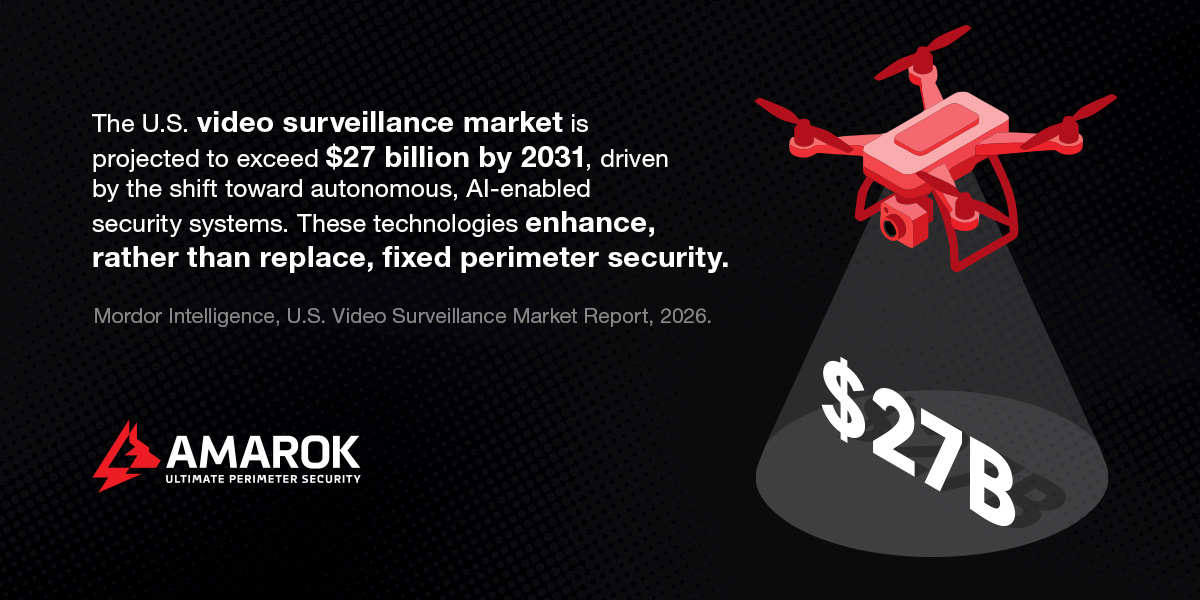
The U.S. video surveillance market reflects this shift toward autonomous, AI-enabled systems. Projections indicate the market will exceed $27 billion by 2031, fueled by AI-enabled analytics and smart city infrastructure expansion. Autonomous security tools integrate into this broader ecosystem, providing mobile surveillance that complements fixed barriers and cameras.
These systems won’t replace a fixed, electrified perimeter, but they can enhance it. A drone can patrol an expansive site overnight, while a robotic ground unit can investigate an alert at a remote gate. Both extend oversight to areas that would otherwise require constant staffing or remain unmonitored.
A Leader’s Framework for Evaluating New Security Technology
Security leaders who consistently make sound technology investments ask the same questions when vetting a new tool. These criteria separate genuine advancements from distractions that drain budgets without improving protection. Before committing to any emerging technology, apply this framework to determine whether it strengthens your security posture or simply adds complexity.
Start by conducting a comprehensive security risk assessment to understand your specific vulnerabilities. Then evaluate new technology using these criteria:
Augmentation vs. distraction: Does the technology strengthen an existing layer of defense, or does it create a new gap that requires additional resources to manage? Effective solutions integrate seamlessly into your security foundation.
Total cost of ownership: Consider installation, training, maintenance, monitoring, and eventual replacement. Look for a partner that offers zero up-front costs and includes installation, maintenance, and ongoing support.
Seamless integration: Stand-alone solutions create silos. The best technologies communicate with your existing barriers, cameras, and access controls to create a unified response to threats.
The Foundation of a Future-Proof Perimeter Starts Today
A future-proof strategy means implementing a robust, foundational layer that new technologies can build upon, not waiting for unproven technology to mature. That foundation consists of three pillars working together: a formidable physical and psychological deterrent, integrated surveillance, and robust access control.
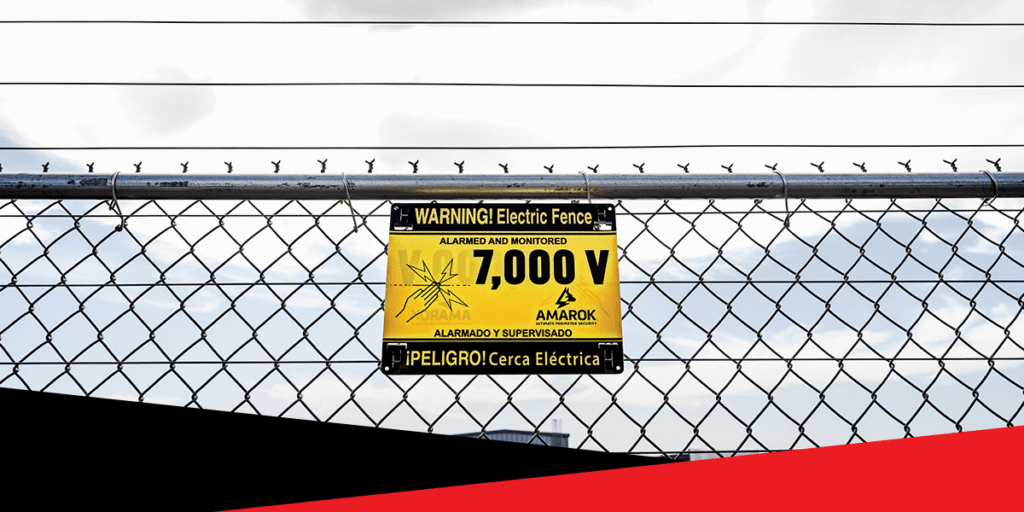
A solar-powered electric fence provides a physical deterrent that deters intrusions before they happen, and this barrier operates continuously, remaining active even during power outages. Integrated surveillance systems verify threats and provide evidence for response. Access control at gates adds another layer, managing entry points to ensure only authorized personnel reach your site.
These three pillars create a resilient security strategy that adapts as technology evolves. AI analytics improvements enhance your existing surveillance. Autonomous systems that become more affordable extend your perimeter’s reach. New access control protocols integrate seamlessly into your existing infrastructure. The foundation remains constant while the intelligence layer grows more sophisticated.
This approach protects your investment. You’re not replacing an entire system every time a new technology arrives. You’re enhancing proven protection with incremental improvements that compound over time.
Get Future-Ready With AMAROK
True security requires both a forward-thinking strategy and proven, integrated solutions. The emerging technologies discussed here all rely on a robust foundation to function effectively. AMAROK provides both.
From advanced electric fencing to integrated surveillance and access control, AMAROK delivers multi-layered perimeter security designed to adapt as technology evolves. Our security-as-a-service model includes installation, ongoing maintenance, and upgrades when replacements are needed, ensuring your system remains effective as innovations emerge.
Request a free risk assessment to see how AMAROK can help you build a future-ready perimeter security strategy for your property.