
The Cybersecurity and Infrastructure Security Agency’s (CISA) protection standards are bureaucratic and written for compliance officers. Facility managers must turn regulatory language into effective perimeter security.
This article cuts through that complexity by providing a practical checklist drawn from the CISA requirements checklist. Whether you manage a power substation, a water treatment plant, or a transportation hub, here’s a scannable framework. Use this to assess your current perimeter security posture and identify gaps before an auditor or an intruder finds them for you.
The CISA Perimeter Security Checklist
CISA’s official guidance breaks down into four key areas of perimeter security. Each category below includes actionable questions derived from the CISA Cross-Sector Cybersecurity Performance Goals, designed to help you identify vulnerabilities. These CISA checklist items apply differently depending on your sector, but the core principles remain consistent across all critical infrastructure.
Physical Barriers and Fencing
CISA perimeter security standards emphasize robust, maintained barriers that delay or prevent unauthorized access. Consider these questions:
Is your fencing inspected regularly for damage, wear, or tampering? Even minor compromises can signal reconnaissance or provide entry points. Routine inspections should document fence integrity and any signs of probing.
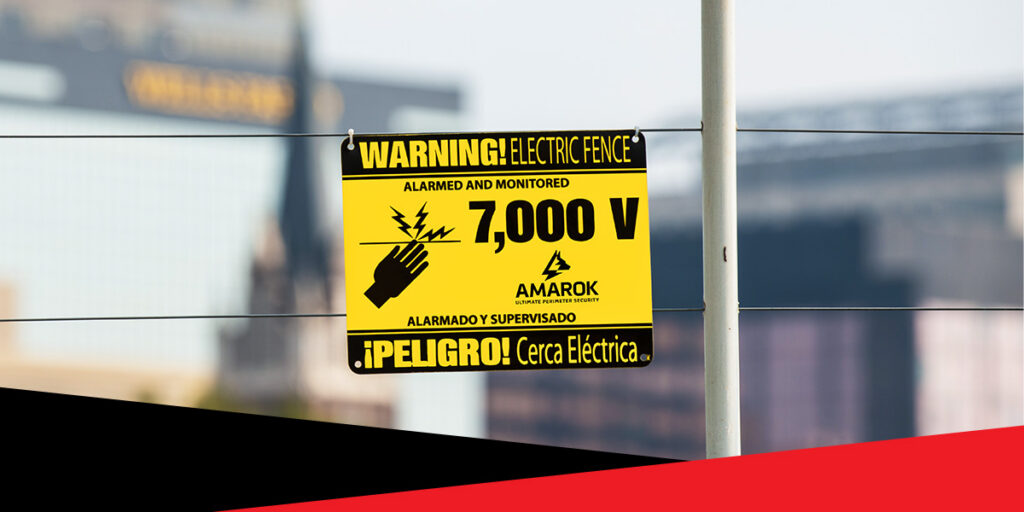
Does your barrier actively deter climbing, cutting, or ramming? Standard chain-link fencing delays intruders by only seconds. High-security options such as electric fencing deliver a powerful physical and psychological deterrent that keeps threats beyond the perimeter.
Are critical assets protected by layered barriers? Substations, fuel storage, and control centers require more than a single fence line. Defense in depth creates multiple failure points for attackers.
Do environmental factors compromise your barrier effectiveness? Vegetation growth, terrain changes, and weather damage reduce barrier integrity over time.
Electric fencing systems represent a shift from passive to active perimeter defense. For facilities managing high-value equipment or vulnerable access points, this approach aligns with infrastructure protection standards that prioritize prevention over reaction.
Surveillance and Monitoring
Surveillance compliance under CISA guidelines requires coverage at critical access points, adequate lighting, and integration with broader security systems. These are the questions to ask:
Is there video surveillance at all access points, including vehicle gates, pedestrian entries, and vulnerable fence lines? Blind spots become attack vectors, which is why comprehensive video surveillance and remote monitoring ensure no entry point goes unmonitored.
Does your lighting support surveillance effectiveness during low-light conditions? Without sufficient illumination, cameras can’t capture usable footage. Lighting that integrates with the electric fence can flood the area with light when the fence detects a breach attempt.
Are surveillance feeds monitored in real time or reviewed only after incidents? Real-time systems enable immediate response, while reactive monitoring limits your ability to interdict threats before they escalate.
Do you have sufficient retention capacity for recorded footage? CISA guidance recommends maintaining video records long enough to support investigations and identify patterns.
Modern surveillance analytics flag unusual activity, such as perimeter breaches or after-hours movement.
Access Control
Controlling who enters your facility and when is foundational to critical infrastructure compliance. Gate Access Control requirements under CISA emphasize positive identification, logging, and limiting entry to authorized personnel only. Check your systems by asking these questions:
Is there a system for positive employee identification at entry points? Badge systems or credential readers prevent unauthorized access and create accountability.
Are visitor movements logged, escorted, and restricted to necessary areas? Unescorted visitors represent a significant risk, particularly in facilities with sensitive equipment or control systems.
How are vehicle access points secured? Gate access control systems integrate vehicle identification with barrier automation, ensuring only authorized vehicles enter your perimeter.
Do you have protocols for revoking access immediately when personnel leave or lose authorization? Delayed deactivation creates exploitable windows where former employees or contractors retain entry privileges.
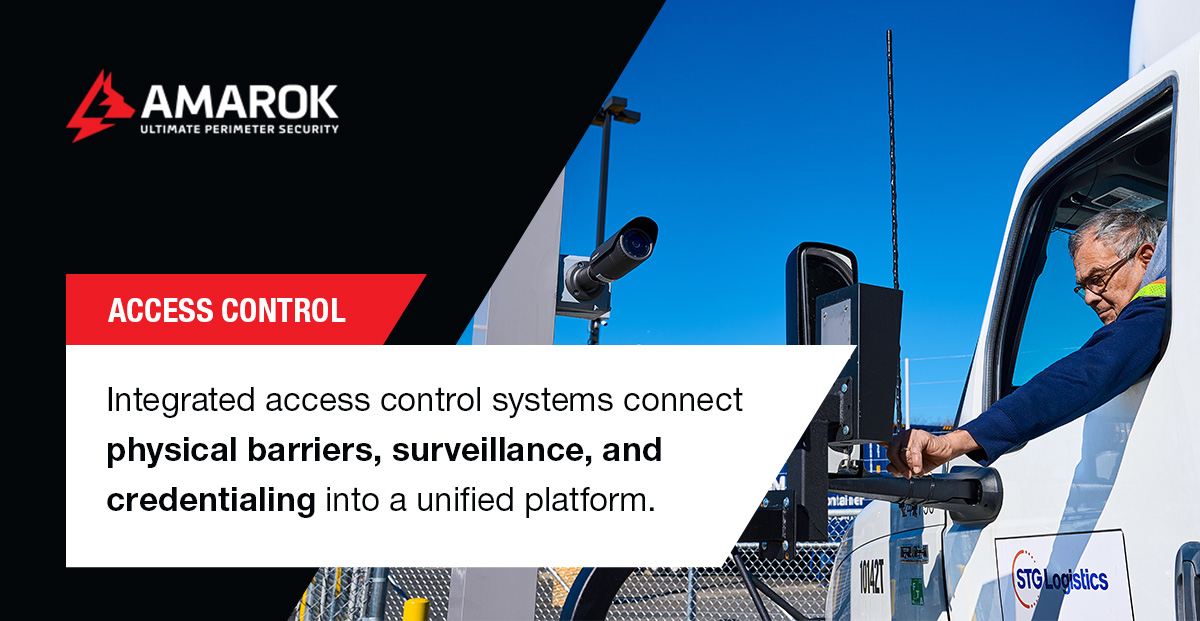
Integrated access control systems connect physical barriers, surveillance, and credentialing into a unified platform. This layered approach closes gaps that exist when systems operate independently.
Intrusion Detection and Incident Response
Intrusion detection systems provide the early warning necessary to mobilize a response before a breach escalates, combining detection technology with documented response protocols per CISA guidelines.
Is there an active building intrusion detection system that alerts security personnel immediately? Passive alarms that require human discovery introduce dangerous delays.
Is there a documented response plan for physical breaches, including escalation procedures and coordination with law enforcement? Plans must be tested regularly and updated as threats evolve.
Do you understand realistic law enforcement response times in your area? In Dallas, for example, the police department’s goal is to respond to Priority 1 emergency calls in less than eight minutes and to urgent Priority 2 calls in less than 12 minutes. Your security systems must bridge that gap.
Are detection systems integrated across physical and digital domains? Cyber-physical attacks often begin with physical breaches of network infrastructure.
Intrusion detection works best when it delays the intruder long enough for a response to arrive. A fence that deters entry, combined with instant alarm notification, can mean the difference between interdiction and catastrophic loss.
What Are the Official Critical Infrastructure Sectors?
CISA defines critical infrastructure as systems and assets so vital that their incapacitation would have a debilitating effect on security, national economic security, or public health. These standards apply to all 16 CISA-designated critical infrastructure sectors, including energy, water and wastewater systems, transportation, and chemical facilities.
The Real Cost of a Breach
Compliance is the baseline, not the finish line. Understanding the severe, real-world consequences of a physical breach is what separates organizations that check boxes from those that build resilient security postures. A security vulnerability assessment reveals gaps before attackers exploit them, but the cost of inaction extends far beyond regulatory penalties.
When critical infrastructure is damaged, it can cost millions to repair, force schools and businesses to close, and put residents at risk. A single layer of perimeter fencing isn’t enough against a determined attacker. Critical infrastructure facilities cannot rely on obscurity or passive barriers. Multi-layered defense combining physical deterrents, surveillance, access control, and rapid detection is the only strategy that slows attackers long enough to enable response.
How to Move from Compliance to Active Defense
Active defense means building security systems that deter, detect, and delay threats in real time, integrating physical barriers, surveillance, access control, and intrusion detection into a cohesive strategy where each layer complements the others.
Electric fencing creates an immediate psychological and physical barrier. Blind spots disappear when real-time surveillance covers every angle. Prevent unauthorized entry through integrated access control. True security requires understanding your facility’s unique vulnerabilities, threat profile, and operational constraints, then designing defenses that address all three.
Secure Your Perimeter With AMAROK
CISA’s critical infrastructure protection goals set the compliance baseline, but true security goes beyond checking boxes. The checklist above translates regulatory language into actionable steps, helping you identify gaps in physical barriers, surveillance, access control, and intrusion detection. Understanding these guidelines is the first step. Implementing a multi-layered defense strategy is the next step.
AMAROK specializes in perimeter security solutions designed for critical infrastructure facilities. From The Electric Guard Dog® Fence to integrated surveillance and access control systems, we help facilities move from passive compliance to active defense. Our team conducts comprehensive risk assessments to identify vulnerabilities specific to your site and industry.
Request a free risk assessment today and protect your operations before a breach occurs.