
North American Electric Reliability Corporation (NERC) CIP-014-3 is one of the most consequential reliability standards you will navigate as a utility security manager. This standard addresses physical security at transmission substations and primary control centers. It establishes mandatory protocols that protect the bulk electric system from coordinated physical attacks.
Threats to the power grid continue to escalate, caused by vandalism, physical attacks, or suspicious activity. Energy facility compliance requirements necessitate a structured approach to risk assessment, vulnerability analysis, security plan development, and physical security implementation.
NERC CIP-014-3 at a Glance
NERC CIP-014-3 compliance depends on traceability, making it essential to maintain documentation that demonstrates assessments, planning, and security measures. Other key takeaways include:
- Facility-specific planning
- Independent review to validate assessment findings
- Perimeter security that supports compliance and delivers reliable results
Who Does NERC CIP-014-3 Apply to?
The CIP-014-3 standard applies to transmission owners and operators running facilities that, if rendered inoperable or damaged, could result in instability, uncontrolled separation, or cascading failures. These facilities are identified through an initial risk assessment process that evaluates potential impact on Interconnection Reliability Operating Limits.
During compliance reviews, Federal Energy Regulatory Commission (FERC) enforcement teams conduct a technical analysis of your system’s role within the larger Interconnection. This process analyzes factors such as voltage levels, system topology, and the consequences of facility loss.
On June 17, 2026, the NERC Board adopted CIP-014-4, which includes modifications addressing lessons learned from previous enforcement actions. The revised standard awaits FERC approval before becoming effective. While CIP-014-3 remains the enforceable standard, transmission owners should monitor the approval process for CIP-014-4 to understand upcoming modifications to assessment methodologies, verification requirements, and security plan specifications.
The CIP-014-3 Compliance Sequence
CIP-014-3 compliance is achieved through six distinct requirements. Each requirement connects to the next, creating an integrated security program rather than isolated tasks. Your organization must complete these requirements in sequence, with each phase informing decisions in subsequent steps.
R1 and R2 Risk Assessment and Verification
Transmission owners and operators must conduct initial risk assessments. Under CIP-014-3 Requirement 1, this assessment evaluates which facilities, if damaged or rendered inoperable, could result in instability, uncontrolled separation, or cascading within an Interconnection.
Independent third-party verification follows your R2 assessment. It validates that your identification process appropriately considers system topology, equipment characteristics, and potential failure scenarios. The third-party reviewer examines both the technical approach and the facilities identified through that approach.
NERC audit reviews consistently find that entities’ R1 technical rationale fails to provide a sufficient basis. This basis should demonstrate how instability, uncontrolled separation, or cascading is evaluated, making documentation depth a critical audit focus.
R3 and R4 Vulnerability Assessment and Evaluation
Once critical facilities are identified, you have to complete a vulnerability assessment for each identified transmission station. CIP-014-3 Requirement 3 drives this evaluation. It assesses potential attack vectors, considers various threat scenarios, and identifies specific weaknesses that could be exploited. This assessment forms the foundation for all subsequent security planning decisions.
The vulnerability assessment then undergoes review and approval by the Electricity Sector Information Sharing and Analysis Center or a third-party independent organization (R4). This review validates that your vulnerability assessment appropriately evaluates potential threats and accurately identifies facility vulnerabilities.
R5 and R6 Security Plan Development and Implementation
Following R4 verification, facilities must develop and implement a documented physical security plan. This is where compliance becomes operational through CIP-014-3 Requirement 5. The security plan must address the vulnerabilities identified in your assessment. It then specifies which protective measures will be implemented at each critical facility, demonstrating clear connections between identified vulnerabilities and selected security measures.
Resiliency and defense measures designed to reduce vulnerabilities complete the compliance sequence (R6). Facilities must evaluate a comprehensive range of security options, selecting measures appropriate to the risks documented in prior requirements. Implementation timelines specified in R6 create accountability for converting security plans into operational protections.
What Security Aspects Does FERC Enforcement Examine?
With the compliance framework established, understanding FERC’s enforcement priorities becomes essential for maintaining ongoing compliance. FERC’s Compliance Monitoring and Enforcement Program focuses on evidence that demonstrates systematic compliance rather than isolated documentation.
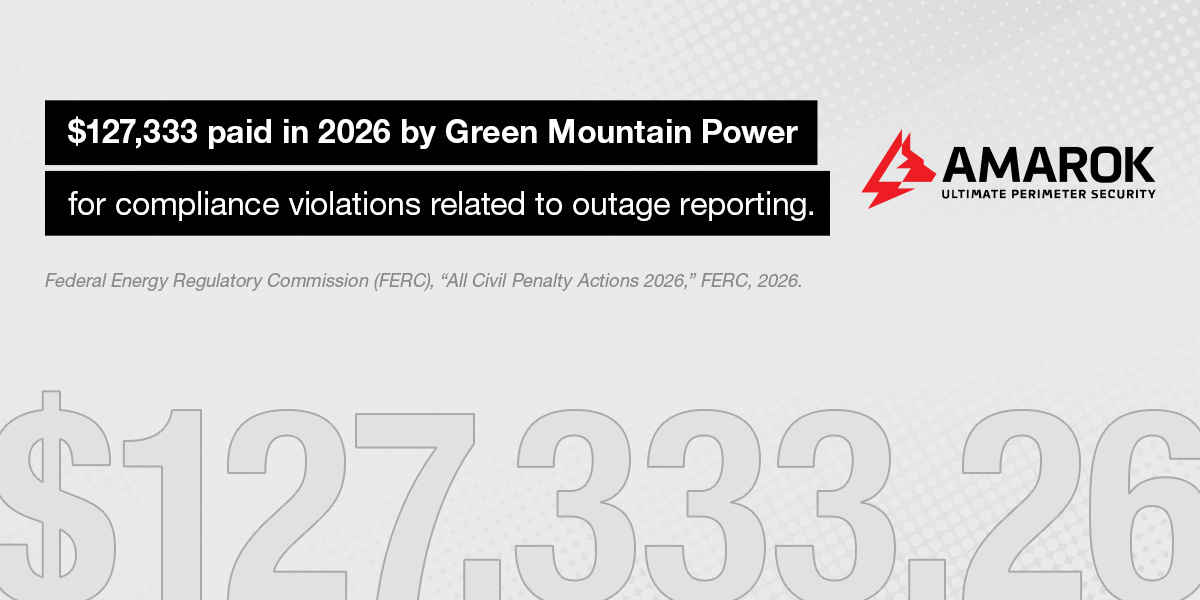
Recent civil penalty actions demonstrate FERC’s focus on documentation quality. FERC sanctions on Los Angeles Department of Water and Power in 2025 for violations related to compliance monitoring underscored this enforcement priority. Green Mountain Power Corp. paid $32,500 plus $94,833.26 in disgorgement in 2026 for failing to report outages at the Bolton Falls Dam project.
Your enforcement risk increases when documentation fails to demonstrate clear connections between assessment findings, verification results, and implemented measures. Enforcement staff scrutinizes whether security plans:
- Address all identified vulnerabilities
- Implementation timelines were met
- Ongoing security measures remain appropriate given facility-specific risks
FERC’s directive to refine CIP-014-3 resulted from continuing inconsistency in registered entity risk assessments, signaling that enforcement scrutiny continues to intensify.
Implementing Physical Security Measures
Once you have identified your critical facilities through the risk assessment process, the next step involves implementing physical security measures that align with the risks you have documented. Facilities must evaluate numerous security options and select measures that address the specific vulnerabilities identified at each site.
Physical security for transmission stations requires layered defense strategies. Common measures include:
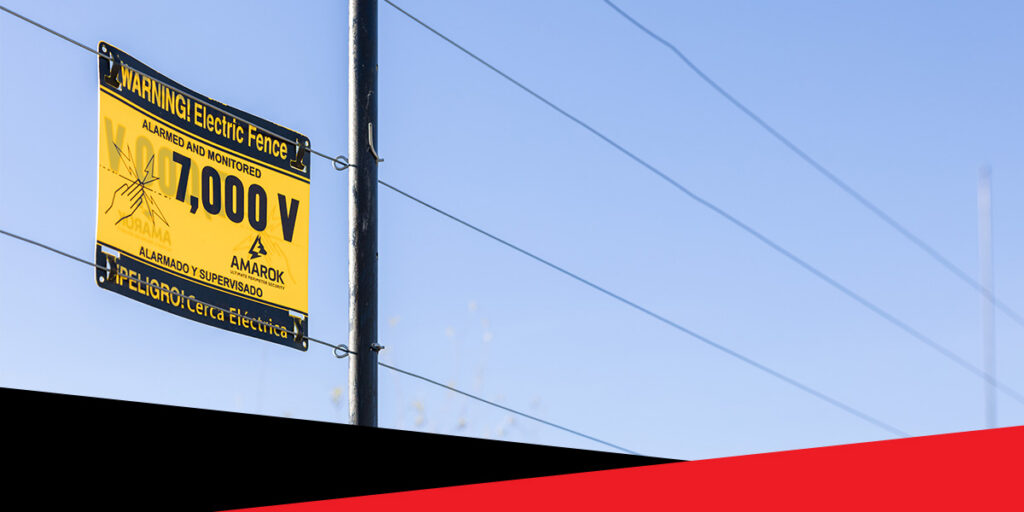
- Physical barriers: Electric fences and hardened enclosures are the foundation of a multi-layered perimeter defense system.
- Video surveillance: High-definition cameras and remote monitoring add visibility to key perimeter points, helping verify potential incidents.
- Access control systems: Specialized gate locks and visitor management protocols restrict facility access to authorized personnel only.
The Western Electricity Coordinating Council documented 220 security intrusions across the Western Interconnection in a recent reporting period. This figure highlights the importance of robust physical protection. Your security measures should address the specific attack scenarios identified in your vulnerability assessment, and documentation proving this alignment will be central to any compliance review.
CIP-014-2 Requirement 5 is your guide to how security measures collectively deter, detect, delay, assess, communicate, and respond to identified threats.
Secure Your Critical Infrastructure With AMAROK
CIP-014-3 compliance demands more than documentation. It requires physical security measures that prove effective for critical infrastructure sites. AMAROK’s perimeter security for electric substations provides transmission operators with security systems engineered for critical infrastructure protection.
Our security specialists understand perimeter security compliance and can evaluate your facility’s vulnerabilities through a comprehensive security assessment. Our government relations and compliance team handles all permitting, supporting your energy and utility security solutions in meeting regulatory requirements from start to finish. We are proud to protect more than 9,000 commercial properties nationwide.
Schedule a risk assessment today, or contact AMAROK at (800) 432-6391 to discuss security solutions designed for your facility’s unique challenges.