A supply chain network moves products from where they’re made to where they’re used or sold. As a site manager, you’re responsible for millions of dollars in inventory, equipment, and vehicles. Thieves could easily target your site if there are weak points in your supply chain. In 2024 alone, there were 3,625 cargo theft incidents, a 27% increase from the previous year.
A single incident of theft can halt operations, delay shipments, and damage your reputation with customers and business partners. Knowing how supply chain vulnerabilities lead to theft is the first step in implementing risk management strategies and safeguarding your operations.
Common Supply Chain Vulnerabilities
A supply chain vulnerability is a weakness criminals exploit to disrupt operations, steal assets, or compromise sensitive data. A supply chain disruption can be physical, digital, or organizational in nature, and it often stems from the following sources:
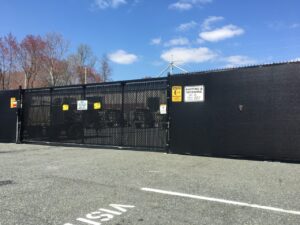
- Physical gaps: Warehouses, yards, and ports often have unsecured perimeters or rely on chain-link fencing. Large outdoor storage areas with minimal surveillance leave blind spots for thieves to exploit.
- Digital weaknesses: Lack of real-time supply chain visibility and outdated technology infrastructure make it challenging to keep track of shipments. Cyberattacks also occur on interconnected systems, IoT devices, and cloud platforms.
- Third-party risks: Reliance on multiple vendors and carriers increases exposure to external threats, especially in global supply chains.
- Operational weaknesses: Manual, paper-based processes are inefficient and prone to error. Inadequate training and inconsistent procedures also create organizational weaknesses.
- External threats: External threats include geopolitical instability, transportation disruptions, and organized crime, including sophisticated cyber-enabled fraud.
Many commercial industries are vulnerable to supply chain attacks. They rely on the timely, secure movement of goods and materials. Some sectors also face increasing pressure from regulators to demonstrate robust security, especially if they store high-value assets.
Industries that face a growing supply chain risk include:
- Logistics and transportation: Warehouses, distribution centers, and freight yards are prime targets for cargo theft and supply chain disruptions due to unsecured perimeters.
- Automotive and fleet management: Vehicle storage lots, rental agencies, finished vehicle logistics services, and fleet depots face risks of vehicle and parts theft. Large outdoor lots and frequent vehicle movement add to supply chain vulnerabilities.
- Manufacturing: Factories and production facilities store raw materials and finished goods. Multiple unsecured access points make them attractive targets for organized crime.
- Construction: Equipment yards and construction sites often have expensive machinery and materials on-site that are valuable on the resale market.
- Utilities and critical infrastructure: Power plants, substations, and water treatment facilities are essential to public safety. Their remote locations and high-value equipment put them at higher risk.
The Impact of Supply Chain Theft

Freight shipment theft costs the U.S. economy up to $35 billion per year. However, supply chain theft is more than the loss of physical goods. It can ripple through every aspect of a business with immediate and long-term consequences, including:
- Financial losses: Stolen inventory, parts, or assets must be replaced, which often comes at a premium. Emergency replacements, expedited shipping, and property repairs contribute to additional expenses. Commercial property insurance claims can also lead to higher premiums from your carrier.
- Operational disruption: Theft can halt manufacturing lines, delay shipments, and disrupt carefully planned schedules. The disrupted flow of goods impacts other sites, partners, and customers. Time and resources are often diverted to investigate, recover, and restore operations. As a result, customers may cancel orders or turn to competitors if their deliveries are late.
- Reputational damage: Customers, partners, and suppliers can lose confidence in your ability to deliver, especially after repeated incidents. News of theft or disruption at business sites can damage your brand and deter future business opportunities.
- Employee morale: Some incidents of theft involve violence or create hazardous situations, which may make employees feel unsafe or demoralized. If not addressed, this decrease in morale could lead to increased turnover or absenteeism.
- Data and intellectual property loss: Cyber-enabled theft can expose sensitive customer and supplier data and trade secret information, which competitors or criminals can use to their advantage.
- Broader economic and social impacts: More losses often lead to increased costs passed on to customers. In these cases, competitors with fewer supply chain disruptions gain an edge.
Steps to Secure Your Supply Chain and Perimeter
The first step to protecting your supply chain is to secure your perimeter at every site or facility. Reduce the risk of external theft and safeguard your assets at every stage of operations with an integrated approach that combines electric fencing with additional perimeter security systems.
Here are three actionable steps to secure your supply chain, starting at the perimeter:
1. Get a Comprehensive Threat Assessment
Schedule a risk assessment with the perimeter security experts at AMAROK. Our team can identify weak points at multiple sites, including warehouses, yards, transfer points, and during transit. We can also look for gaps in your existing chain-link fencing, lighting systems, cameras, and access control procedures. Once we identify potential vulnerabilities, we will develop a proactive approach to prevent and deter theft.
2. Implement Strong Perimeter Security
Whether your shipments are at the warehouse or in the transfer yard, each stage comes with its own security challenges. With perimeter security at every site in the supply chain, your goods are protected at every stage. Create a multi-layered security system by investing in the following measures:
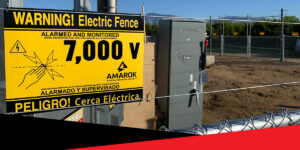
- Electric fencing: An electric fence is a powerful deterrent that delivers a safe but memorable shock if a would-be intruder attempts to access your site. The fence’s imposing height and yellow warning signs help deter opportunistic criminals.
- Alarm-based lighting: Perimeter alarm-based security lighting integrates with your electric fencing, flooding the area with light when the fence goes into alarm. Implement a combination of Zone Fence Lighting, Spot Lighting, and Sentinels to ensure adequate coverage across your site.
- Gate Access Control: Ensure protection at all entrances and exits and enhance overall site security with Gate Access Control. Features like license plate recognition and credential readers help prevent unauthorized or fraudulent pickups. This means only approved vehicles and personnel gain access while also supporting maximum throughput at the gate.
- Surveillance cameras: Install commercial video surveillance cameras that are strategically angled to capture compelling footage along your perimeter. Access to video proof is crucial for alerting law enforcement as well as for evidence in investigations or legal proceedings.
Every secure site in the supply chain acts as a strong link, making it harder for thieves to find easy targets. The more protected sites in the network, the fewer opportunities thieves have to strike.
3. Secure Your Data and Train Your Employees
Encrypt delivery schedules, inventory data, and digital access controls to protect sensitive information. Use cybersecurity tools to detect and block unauthorized access. Only trusted personnel should have access to critical systems and information.
In addition, provide regular training on security protocols, emergency response, and recognizing suspicious activity. Encourage your employees to report vulnerabilities or incidents without fear or reprisal. Ensure they know who to contact and what steps to take when an incident occurs. Clear, documented procedures for responding to theft, breaches, and emergencies should exist.
Stop External Theft Before It Happens With AMAROK
Supply chain vulnerabilities put commercial operations at risk of theft — and even one weak link in the chain means products and profits are in danger. With AMAROK’s perimeter security solutions, you can stay ahead of evolving threats and safeguard your sites and facilities.
Don’t let thieves exploit gaps in your approach to physical security. Request your free expert risk assessment today and learn more about how AMAROK protects our customers and their property from crime.