
According to the FBI Crime Data Explorer, there were 5,117,249 property crime incidents between July 2024 and June 2025, an 11.5% decrease from the previous year. Yet, businesses across the nation continue to lose billions of dollars annually to external theft. Cargo theft alone surged in Q2 2025 with 884 reported incidents, representing a 13% increase from Q2 2024 and losses exceeding $128 million.
Securing commercial properties against these persistent criminal threats demands solutions that actually work. Security measures that fail result in mounting losses and operational disruptions. Businesses must evaluate security strategies to find the most reliable option.
This article provides a detailed comparison of security guards vs. robust fencing. Let’s examine the costs, reliability, and overall effectiveness of each to guide strategic security decisions.
The Vulnerabilities of Manned Guarding
Many businesses initially choose security guards for their visible presence and perceived control. Guards offer immediate human judgment of security situations and can handle various tasks beyond security. Their ability to interact with employees and customers creates a sense of personal safety. Additionally, guards can provide detailed incident reports and serve as witnesses in the event of crimes.
However, hiring security guards comes with financial and operational risks that compound over time. The vulnerabilities of manned guarding include:
The High Cost of Human Capital
According to data from the Bureau of Labor Statistics (BLS), the average annual salary for a security guard in 2024 was $38,390, excluding overtime and emergency coverage. Overtime rates must legally reach at least 1.5 times the standard hourly wage. Benefits packages, including health insurance, workers’ compensation, and retirement contributions, can add up to 40% of base salary costs.
The annual security guard turnover rate can range from 100% to 400%, which results in frequent, burdensome training expenses. Each new hire requires extensive onboarding, site-specific training, and certification processes. Administrative overhead for processing payroll, managing guard schedules, and ensuring compliance with labor laws also demands significant resources. These hidden costs strain operational budgets while delivering inconsistent protection.
Human Factor Risks and Limitations
Even the best guard service cannot overcome fundamental human limitations, such as:
- Fatigue: Fatigue typically sets in during long shifts, particularly when overnight criminal activity is at its peak.
- Distraction: Attention naturally wanes after hours of routine patrol, creating predictable vulnerability windows that criminals exploit.
- Collusion: Guards can be compromised, facilitating internal theft and resulting in devastating losses and damage.
Security guards also struggle to respond quickly across large sites. Expansive commercial properties present insurmountable coverage challenges. While one guard checks the north gate, the south perimeter remains unwatched. These unavoidable blind spots and coverage gaps create opportunities that organized theft rings exploit.
Human susceptibility to social engineering presents additional risks. Criminals often employ sophisticated tactics, including bribery or threats.
Liability and Inconsistent Performance
With high churn, guards may receive minimal field experience before they put in their notice. This constant rotation destroys institutional knowledge about specific sites. New guards lack familiarity with typical patterns and site-specific vulnerabilities. Each personnel change resets security effectiveness.
Inconsistent protocol enforcement becomes inevitable with frequent staff changes. Different guards interpret procedures differently, creating confusion among personnel.
Liability exposure also increases with the use of guard services. Businesses face potential lawsuits from guard negligence, excessive force incidents, or discriminatory behavior. Workers’ compensation claims from injured guards add unpredictable costs. Insurance premiums may rise to cover these additional liability risks, further escalating the cost of using security guards.
The Strategic Advantages of Electric Fencing
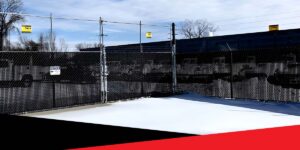
Electric fencing is a fundamental shift from reactive to proactive perimeter security. Rather than responding after breaches occur, electric fences prevent criminals from accessing your property. When weighing security guards vs. electric fencing, consider the various ways electric fencing strengthens your protection, including:
Two Layers of Protection
An electric fence ensures protection by preventing access to your property in two ways:
- Deterrence: The presence of an electric fence creates a powerful psychological deterrent. Warning signs communicate that this property is secured, often preventing criminal attempts.
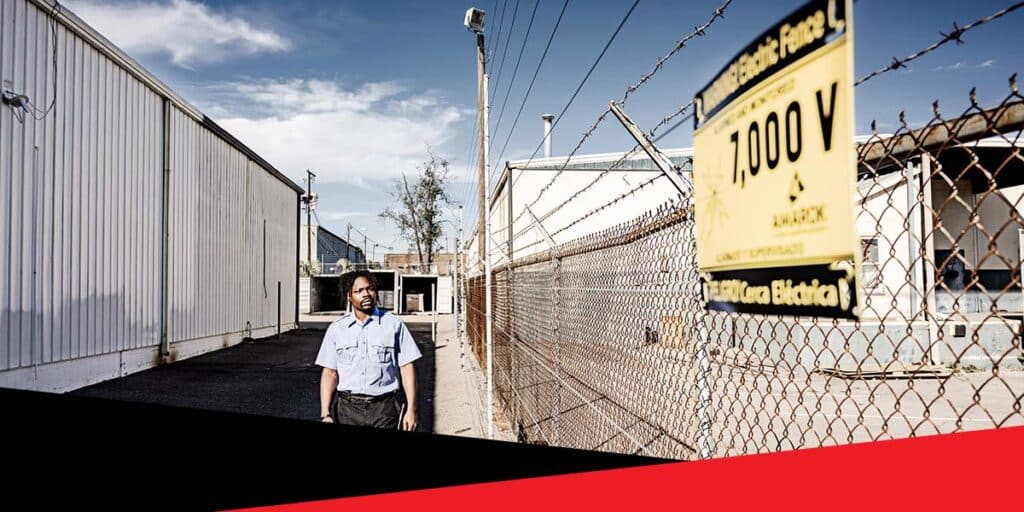
- Delay: If a criminal attempts to tamper with the fence, it sends a safe but memorable 7,000-volt pulsed shock that stops them before they can breach your perimeter. This barrier buys time for an appropriate response while preventing an intruder from accessing your property.
Constant Reliability
Electric fencing operates 24/7/365 without fatigue, distraction, or performance variation. The system maintains effectiveness during holidays or severe weather. When equipped for solar power, it defends your property even during grid outages. Unlike guards who require breaks, shift changes, and sick days, electric fences never stop working.

The fence provides consistent deterrence regardless of criminal sophistication. Whether facing opportunistic thieves or organized rings, the pulsed shock provides an immediate barrier. Criminals cannot use negotiation, deception, or intimidation tactics that might compromise human guards.
Long-Term Cost-Effectiveness and ROI
Electric fencing is an investment that keeps paying off and has minimal, predictable ongoing costs. Routine maintenance involves simple vegetation management and periodic system checks. With a security provider who offers security-as-a-service, you have no up-front costs and pay only a manageable monthly fee. No salaries, benefits, or overtime expenses accumulate month over month. AMAROK provides a cost-effective perimeter security fence alternative to traditional guard services.
With an electric fence, you experience a return on your investment across multiple channels, including:
- Direct loss prevention from stopped theft attempts.
- Less frequent insurance claims due to theft prevention.
- Improved operational efficiency, as management doesn’t need to deal with guard-related issues.
Integration with Other Security Measures
Electric fencing is the foundation of a unified perimeter security system for your business. It integrates with other measures to create a multi-layered defense that addresses all threats. These security measures include:
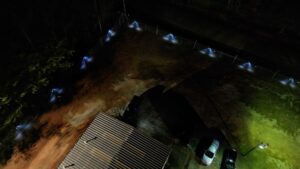
Perimeter lighting: Alarm-based lighting systems that trigger when a criminal attempts to breach your perimeter, flooding the area with bright light.
Video surveillance: Video surveillance systems that can capture clear footage of intrusion attempts after the alarm is triggered, providing evidence for prosecution.
Access control measures: Gate Access Control systems can manage entries and exits across your property. Credential readers, intercoms, license plate recognition, and automated gates maintain security standards while facilitating authorized access.
Remote monitoring: Remote and mobile monitoring solutions can enable professional oversight without the need for on-site personnel. Monitoring teams receive notifications of fence alarms, allowing them to immediately access camera feeds to verify threats. The system also keeps records of attempts to tamper with the electric fence.
Secure Your Property With AMAROK Electric Fencing
Comparing security guards vs. electric fencing reveals the clear advantages of electric fences for comprehensive 24/7 protection. AMAROK’s perimeter security fencing delivers dependable protection at a fraction of guard service costs. An integrated electric fencing system provides a proactive, reliable, and cost-effective solution that strengthens the perimeter and prevents crime before it occurs.
AMAROK is the best security solution to serve as an alternative to expensive guards. Our industry-leading electric fence solution offers complete perimeter protection. The Electric Guard Dog® Fence prevents 99% of external theft for customers after installation. Combining video surveillance, alarm-based lighting, and Gate Access Control, we create multi-layered security that deters even the most determined criminals.
Download AMAROK’s Customized Guard Review to learn more about the risk factors of using only security guards. Contact us today online for your free risk assessment. Download our free guide “7 Reasons Why Security Guards Aren’t Enough” to learn more.