
After a brief decline, catalytic converter theft is surging in 2026, posing a renewed threat to commercial businesses and vehicle fleets. This surge isn’t a random crime wave. It’s a predictable economic cycle driven by volatile precious metal prices.
Understanding this cycle is critical for protecting your assets. This article details the economic drivers behind the 2026 surge and provides the data you need to implement proactive perimeter security measures.
The 2026 Surge Explained: How the Precious Metals Market Impacts Theft Rates
Catalytic converter theft is a crime of economic opportunity directly tied to the volatile prices of platinum group metals. Rhodium, palladium, and platinum reduce emissions in vehicle exhaust systems. When global demand for these metals rises, so does theft. The price cycle creates boom-and-bust periods for catalytic converter theft.
Catalytic converter theft rates exploded during the early 2020s as metal prices peaked in 2021-2022, then fell as enforcement increased and scrap market controls tightened.
Recent reports confirm that catalytic converter theft in 2026 is back at levels not seen since the early-2020s surge. Rhodium prices have increased from their post-2022 lows, driven by automotive industry recovery and renewed industrial demand. Supply constraints from mining operations in South Africa and Russia have intensified price pressure.
These trends and scenarios are resulting in catalytic converter prices rising once again, marking another boom period in the theft cycle.
Thieves sell stolen converters to scrap dealers who extract and resell the metals. Certain vehicles face elevated risk:
Standard fleet vehicles: Trucks, vans, and buses have larger, more valuable converters, with a high ground clearance that allows easy access.
Hybrid vehicles: Hybrids such as Toyota Prius models have a higher concentration of precious metals because their engines cycle on and off, creating more challenging emission conditions.
Diesel trucks: Diesel engines produce more nitrogen oxides, requiring platinum-rich converters to meet emission standards.
Criminals can strike multiple vehicles in minutes. Dealerships, fleet depots, and large employee parking lots are targets, especially when unsecured.
The True Cost of Catalytic Converter Theft to Your Business
The cost of replacing stolen catalytic converters is only the beginning. The full financial impact of a theft incident includes:
Vehicle downtime: A single theft can sideline a commercial vehicle for days or weeks while parts are ordered and installed. Fleet operators lose revenue on every idle vehicle.
Project delays: Fleet downtime creates cascading effects across operations, impacting service delivery and customer commitments.
Increased insurance premiums: Commercial auto policies see rate hikes after claims. Multiple claims within a policy period trigger even steeper increases.
Reputational harm: Customers lose confidence in your ability to protect assets and deliver services reliably.
Administrative burden: Filing police reports and coordinating with insurance adjusters drains productivity. Staff time spent managing repairs, scheduling replacement vehicles, and documenting losses adds hidden costs.
This cyclical nature means reactive security measures are not enough. Businesses must maintain a constant security posture. Theft risk tends to increase when precious metal prices rise.
How to Prevent Catalytic Converter Theft in 2026
The strategic response to this economic problem is a multi-layered, proactive security strategy. A single product cannot solve this problem. Effective catalytic converter theft prevention requires multiple barriers that make your property unattractive to criminals.
1. Secure Your Perimeter
Without a secure perimeter, any theft prevention measures you use won’t be enough. Thieves can still access vehicles if your property boundary remains vulnerable.
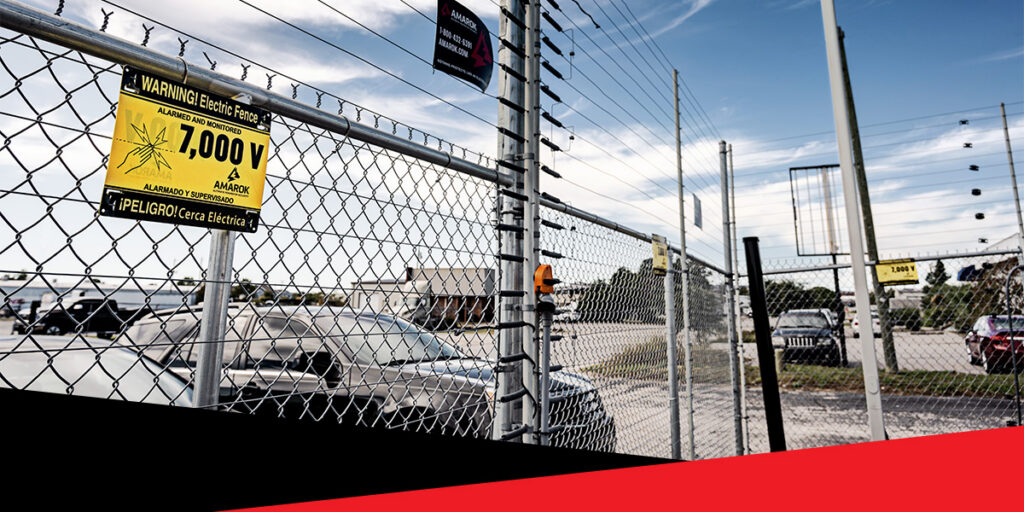
The first and most effective layer of defense is a formidable physical barrier that deters criminals before they can approach vehicles. An electric fence installed inside your existing chain-link fence serves as the ultimate perimeter defense in two ways:
Visual deterrence: Clear warning signs and the fence’s imposing height deter opportunistic criminals seeking easy targets.
Physical deterrence: A safe but memorable pulsed shock stops determined criminals who attempt to breach the fence.
2. Ensure Complete Visibility
Integrated video surveillance cameras around the perimeter and parking areas enable real-time threat verification. If a criminal tries to access your property, high-definition cameras capture clear footage that aids law enforcement.
Active remote monitoring takes surveillance further. Trained monitoring teams watch your property 24/7/365. If the electric fence triggers an alarm, monitors verify the threat through camera feeds and dispatch law enforcement immediately. This coordinated response eliminates the delay between breach attempt and police arrival.
3. Eliminate Hiding Spots
Criminals use darkness to their advantage. Alarm-based lighting around the perimeter creates a powerful deterrent and enhances camera visibility. When the electric fence alarm activates, high-intensity lights flood the area. This sudden exposure destroys the anonymity that criminals depend on.
Additional commercial property lighting in these areas further reduces cover:
- Employee parking areas
- Loading docks
- Storage zones
- Gates and entry points
- Building entrances
4. Secure All Access Points
Your entry and exit points are the most critical vulnerability in perimeter security. Securing gates with automated access control systems prevents unauthorized entry to vehicle yards and fleet depots.
Automated gates eliminate the security gaps that occur when manual gates are left open or unsecured overnight. Credential-based systems require authorized cards, key fobs, or access codes for entry, while license plate recognition documents every vehicle entering the facility. These entry and exit logs create audit trails that deter internal theft and identify suspicious patterns for review.
5. Reinforce Vehicle-Level Defenses
After securing the perimeter, businesses can enhance fleet protection with vehicle theft prevention tactics, including:
Catalytic converter shields and cages: Physical barriers slow thieves and make removal difficult.
GPS tracking and tamper alerts: When a vehicle is moved or theft is detected, real-time notifications enable faster response.
Vibration-sensitive alarms: Audible alarms activate when thieves attempt to cut or remove the converter.
Vehicle Identification Number (VIN) etching: Marking converters with VINs makes them traceable and less valuable to scrap dealers.
Frequently Asked Questions About Catalytic Converter Theft
Business owners and fleet managers often have questions about the mechanics of catalytic converter theft and how to protect their assets. These answers address common concerns:
How Long Does It Take Thieves to Steal a Catalytic Converter?
Thieves can remove a catalytic converter in under five minutes using battery-powered saws. This speed makes parking lots, employee vehicle areas, and unsecured fleet yards particularly vulnerable. The brief window gives criminals time to strike multiple vehicles before they are detected.
Will Catalytic Converter Theft Decrease as Electric Vehicles Become More Common?
The transition to electric vehicles will be gradual. Millions of gasoline and diesel vehicles will remain in operation for decades. As long as these vehicles require catalytic converters and precious metal prices remain high, theft will likely continue in predictable cycles tied to the prices of rhodium, palladium, and platinum.
Does Insurance Cover Catalytic Converter Theft?
Comprehensive auto insurance typically covers catalytic converter theft, minus your deductible. However, coverage doesn’t eliminate the business impact. Vehicle downtime, deductible costs, and premium increases after claims create financial losses that exceed the replacement expense. Preventing theft is more cost-effective than relying on insurance.
Protect Your Fleet With AMAROK
Catalytic converter theft is a predictable, economically driven risk. The most effective way to prevent catalytic converter theft in 2026 is a proactive security solution. AMAROK’s multi-layered security system is tailored to fit your business or industry needs, deterring criminals before they can access your site.
Since 1973, AMAROK has secured over 9,000 commercial properties across the United States. With a unified approach built on The Electric Guard Dog® Fence integrated with video surveillance, remote monitoring, and Gate Access Control, our solution prevents 99% of external theft after installation. Contact us today for a free risk assessment.