
In March 2026, a Coachella, California, fleet yard reported a $63,000 diesel theft from commercial trucks, 9,000 gallons stolen in a single hit. This is no isolated incident. Diesel theft is escalating across California and nationwide, with attacks growing both in frequency and scale.
The theft of diesel fuel has evolved into an organized, high-dollar crime trend hitting fleet yards, equipment rental sites, construction sites, and agricultural operations across the country. As diesel prices stay elevated, criminal rings are scaling up their operations. Robust security is now more critical than ever.
This article explores the rise in theft of diesel from commercial properties and provides a clear, actionable framework you can follow to prevent it.
Why Diesel Theft Is Rising
Two converging forces have transformed diesel fuel into a common stolen commodity in the commercial sector. Elevated fuel prices have made each gallon worth stealing, while organized criminal networks have developed the infrastructure to steal thousands of gallons at a time.
Soaring Fuel Prices
High diesel prices have increased the incentive for theft. Thieves refer to diesel fuel as “liquid gold” because of its value on the resale market.
These soaring prices mean that the theft of diesel fuel affects businesses more acutely. What might have been a minor loss when thieves siphoned from parked vehicles in the past now represents a major financial hit for fleet operators and construction companies.
Organized, Large-Scale Theft Rings
What used to be opportunistic siphoning of parked vehicles or domestic fuel tanks has matured into organized theft rings hitting commercial premises at scale. For example, law enforcement arrested suspects in Florida who had stolen 185,000 gallons worth $650,000 in an operation targeting retail gas stations repeatedly over months.
These criminal enterprises scout vulnerable sites, coordinate logistics, and operate during hours when surveillance is weakest. The professionalization of diesel theft means facility managers can no longer operate on a reactive approach to security.
The True Cost of Diesel Theft
Diesel theft costs your business more than the value of the stolen fuel. When criminal rings target commercial operations, they trigger secondary costs that impact profitability, operations, and long-term business health. These hidden costs include:
Operational Downtime and Project Delays
A theft incident can bring a construction site, rental yard, or trucking fleet to a complete halt. Crews can’t work, and projects miss deadlines because stolen diesel fuel meant for critical equipment is gone.
Customer relationships also suffer when theft-related downtime becomes a pattern. Customers expect reliability, and repeated incidents erode trust. What begins as a fuel theft problem quickly becomes a reputation management crisis.
Costly Equipment and Vehicle Damage
The “drill-and-drain” technique that organized theft rings use involves drilling directly into fuel tanks to access diesel quickly. This method leaves tanks compromised and requiring costly replacement.
Repairing or replacing a drilled fuel tank involves parts, labor, and vehicle downtime. When criminal rings hit multiple vehicles or pieces of equipment in one raid, the repair bill compounds rapidly. Many facilities discover the equipment damage only after attempting to refuel, adding diagnostic time to the total cost.
Higher Insurance Premiums
Repeated theft claims lead to higher insurance premiums over time. Insurers view facilities with recurring diesel theft as high-risk properties. Each claim filed adds to a business’s loss history, which underwriters use to calculate future premium rates.
The long-term financial burden accumulates year after year. Even after implementing better security, businesses continue paying elevated premiums based on their historical claims record. This ongoing cost becomes part of the operational budget, reducing capital available for growth investments.
Increased Administrative Burden
The soft costs of diesel theft consume management time and attention. Facility managers must:
Investigate incidents
File police reports
Coordinate with insurance adjusters
Document losses for claims processing
This administrative work diverts focus from core business operations. Security incident management requires personnel hours that could otherwise support revenue-generating activities. Multiple theft incidents create a reactive cycle where managers spend more time responding to crime than preventing it. The cumulative effect of these soft costs adds substantial overhead to business operations.
How to Prevent the Theft of Diesel With a Multi-Layered Strategy
Relying on a single security measure is no longer sufficient against professional criminal networks. Stopping organized diesel theft requires integrated perimeter security that addresses multiple vulnerability points simultaneously. The most effective approach combines physical barriers, surveillance, access control, and lighting into a unified defense system.
1. Strengthen Your Perimeter
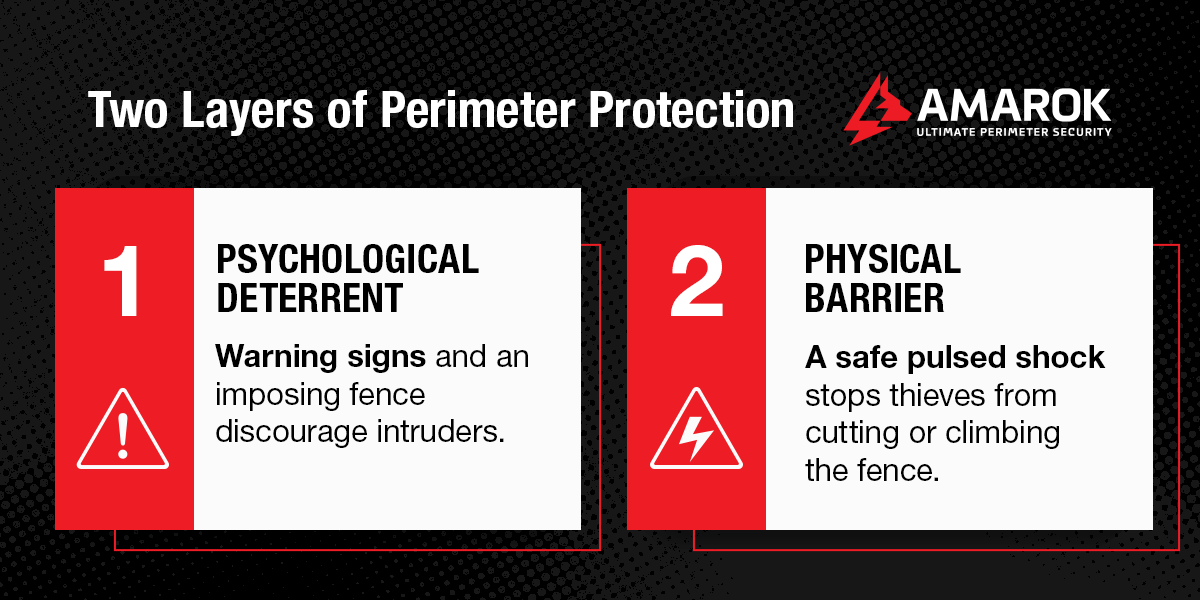
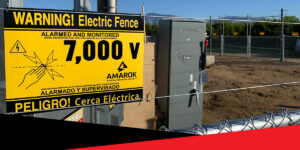
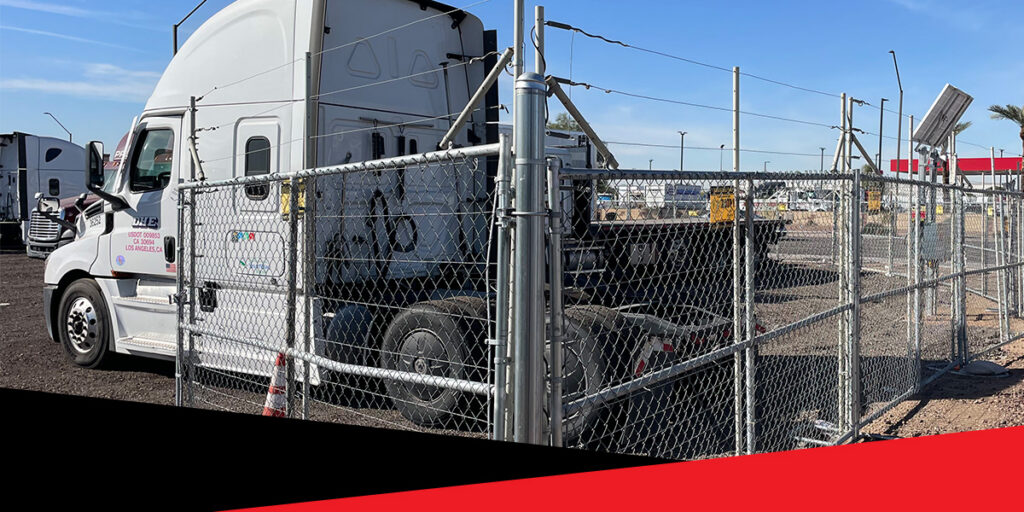
Stopping criminals at the property line is the most critical step in preventing diesel theft. Unlike standard chain-link fencing that criminals can easily cut or climb, an electric security fence actively protects commercial properties in two ways:
Psychological deterrent: The imposing height and warning signs at regular intervals highlight danger, keeping opportunistic intruders from your perimeter.
Physical barrier: If determined thieves target your facility and try to cut or climb the fence, it sends a safe but memorable pulsed shock to keep them from tampering with it.
Additionally, an integrated alarm system activates if someone attempts to breach the perimeter. The loud sound and flashing LED lights encourage criminals to abandon their operation while also alerting security personnel to an attempted breach. This combination of physical deterrence and immediate alarm response stops theft attempts before criminals reach fuel storage areas.
2. Implement Video Surveillance
Having eyes on your site at all times provides essential verification for law enforcement response. Video surveillance captures evidence of criminal activity and helps identify repeat offenders targeting commercial diesel storage.
Remote monitoring takes surveillance effectiveness further by ensuring your facility is watched around the clock. When alarms trigger, monitoring teams can verify the threat in real time and provide law enforcement with actionable information if they confirm a breach.
3. Eliminate Blind Spots
Criminals rely on darkness to operate undetected. Alarm-based lighting around the perimeter activates if there is a breach attempt, immediately exposing anyone trying to get into your property. Always-on lighting throughout the facility eliminates hiding spots where thieves might stage equipment or work undetected.
Strategic lighting serves dual purposes:
Forces criminals to work in exposed conditions
Produces clearer camera footage for identification and evidence
4. Control Your Access Points
Your entries and exits are the most vulnerable part of the perimeter. Secure Gate Access Control systems prevent unauthorized entry by requiring credentials that cannot be easily bypassed. Intercom systems, credential readers, license plate recognition, and motorized gate locks ensure only authorized personnel can enter or exit while the system logs all access events.
Implement intrusion detection devices to protect interior fuel storage areas, such as warehouses and tank enclosures. The motion detectors send notifications if movement is detected outside the building after hours. Door and window contacts detect when a door or window opens, alerting you if a breach occurs.
Stop Diesel Theft With AMAROK
Organized diesel theft from commercial properties is escalating, and reactive security measures won’t stop these large-scale operations. The best defense for your site is a comprehensive, multi-layered security strategy that keeps criminals away from your facility.
AMAROK provides a single-source solution to over 9,000 commercial properties across the U.S. Our unified perimeter security system, built on The Electric Guard Dog® Fence, integrated with video surveillance and access control, prevents 99% of external theft after installation.
Contact us online or call (800) 432-6391 today for a free risk assessment and find out where your fleet yard, construction site, rental yard, or agricultural operation is exposed.