For many data center operators, physical security is just a line item. It gets funded in order to pass an audit, then set aside until the next review. While this may protect the audit date, it takes a strong security plan to protect the site.
Data centers are critical infrastructure. The services that people and businesses rely on every day run through them. Your supply chain includes vendors, deliveries, and building access. Each one is a point where strong standards protect your business.
Data center security is a business requirement to keep your systems running, not a box to check. Learn how vendor rules, physical protection, uptime, and costs work together, so you can keep your site safe, win contracts, and earn trust.
Supply Chain Risk Management Starts With Vendor Accountability
Your data center depends on hardware vendors that deliver equipment, logistics providers that move it, and facility contractors that keep the building running. Each one needs access to your site, so you need to consider each one as part of your security plan.
Strong data center vendor security requirements cover more than cybersecurity. They also cover the physical side, including who arrives, what they bring, and how they behave once inside. A set of standardized requirements for each visit should include:
- Delivery verification: Confirm each shipment, its contents, and the driver before anything enters the site.
- Credentials: Check identification and issue approved access to everyone on-site.
- On-site conduct: Set clear expectations for where vendors go, who accompanies them, and how long they stay.
Start by sorting vendors by their level of site access and their importance to your operations through a process called risk categorization. A vendor who delivers racks to your loading dock needs more review than one who services the break room. Higher access calls for higher standards.
Other industries already show how this works. Customs-Trade Partnership Against Terrorism (CTPAT), a voluntary U.S. Customs and Border Protection program, sets security expectations for shipping partners. Operators who meet CTPAT supply chain security standards often keep access logs, check credentials, and maintain audit trails. Distribution and logistics center security teams use the same habits every day. Data centers can adopt them too, and every visit can come with a clear record.
Physical Security Protects Critical Infrastructure from the Ground Up
The best time to plan physical security is at the start of designing and building a facility. This is called secure by design. Security built into a site from day one works better than security added later. Entry points, layouts, and vendor routes can all be planned with protection in mind.
Strong critical infrastructure protection at the facility level has three core parts. Together, they create accountability across the site:
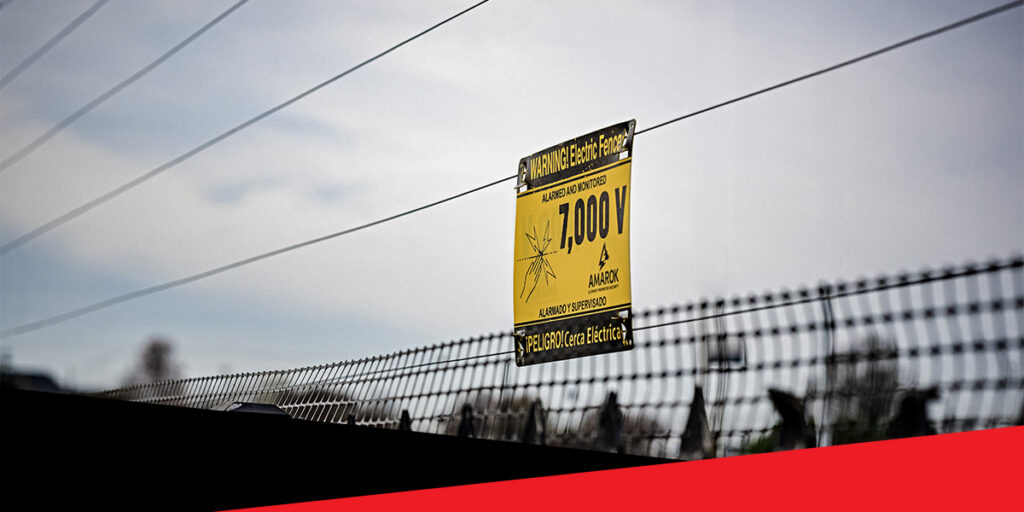
- Perimeter barriers: Keep your site’s perimeter secure and unauthorized people out.
- Controlled access points: Know exactly who enters and exits your site with Gate Access Control, featuring automated, intelligent entry that keeps your perimeter sealed.
- Cameras and remote monitoring: Help your team confirm what is happening through video surveillance and respond quickly with confidence.
Data center physical security best practices reach well beyond the server room. They cover the full site perimeter, the loading dock, and the supply routes that vendors use to reach your building. Incorporating physical security in each area creates one consistent standard from the front gate to the data hall.
Data Center Security Impacts Business Continuity and Uptime
Physical security and uptime are closely connected. Unauthorized access, equipment tampering, and theft can all interrupt service. Even a short interruption matters to tenants who count on constant availability. The practical costs are hours spent on incident response, lost operating time, and a dip in customer confidence.
Securing data center operations also supports the standards your customers ask about. Frameworks such as SOC 2 treat physical access as part of their security criteria, so documented controls belong inside your continuity plan.
Contracts follow the same logic. Security-conscious tenants and partners want proof that your site is protected. Third-party logistics providers know this well. Shippers increasingly favor partners who can document their security standards. Teams that treat truck yard and cargo security as a selling point earn shipper trust with documented standards.
Data centers can earn the same trust. Clear records of who enters, when, and why show tenants that their equipment is in good hands. Those records also give your team quick answers during audits and reviews.
A Strong Security Posture Is a Competitive and Financial Advantage
Security spending protects more than equipment. It protects revenue, reputation, and the trust that keeps tenants renewing. Seen this way, a strong security plan is a business decision that pays off well beyond the audit.
The costs are also easier to plan for than many teams expect. A capital expense (CapEx) is a large upfront purchase, while an operating expense (OpEx) is a regular cost of running the business. Some perimeter security solutions available today spread the cost out with a manageable monthly fee instead of a hefty one-time investment. Many businesses can treat these fees as OpEx, too.
Proof also wins contracts. Some buyers now write supply chain assurance into their procurement requirements. Operators with proactive, documented physical security can meet those requirements with confidence. A strong security posture brings clear benefits:
- Stronger bids: Show buyers documented proof of your protocols when a contract asks for it.
- Protected revenue: Keep services running so tenants stay confident.
- Predictable costs: Plan the investment around a manageable monthly fee.
- Lasting reputation: Build a name that buyers associate with reliability.
Leadership teams can use these benefits when building the business case for security investments. Each documented control gives tenants and partners another reason to choose you.
Partner With AMAROK to Secure Your Data Center Supply Chain
Supply chain security for data centers is part of business resilience, not just compliance. At AMAROK, our multi-layered approach starts with The Electric Guard Dog® Fence, which sits inside your existing perimeter fence. Gate Access Control brings credential checks and activity reports to every delivery gate. FORTIFEYE® combines the electric fence with video surveillance and video monitoring.
Request a free risk assessment for your facility today. A perimeter security expert will assess your vulnerabilities and determine your security needs.