
As a business owner, it’s important to prepare for the unexpected, as operational disruptions can lead to significant losses. Only 26% of small businesses are ready for disasters, even though 94% believe they’re prepared. This gap between perception and reality leaves companies vulnerable. An effective plan can protect your business assets, minimizing costs, downtime, and reputational damage.
Since risks vary per organization, your plan must address your company’s unique needs. Understanding what a business continuity plan (BCP) is and how to create one that fits your business can help.
What Is a Business Continuity Plan?
A BCP is a set of documented processes that enables organizations to navigate unexpected events. Companies generally create BCPs for the following events:
- Natural disasters: Hurricanes, floods, and earthquakes can damage facilities, halting operations.
- Power outages: Loss of electricity disrupts operations, particularly for facilities that depend on technology.
- Public health emergencies: Pandemics and disease outbreaks can reduce workforce availability.
- Cyberattacks: Data breaches and ransomware can compromise business systems.
- Supply chain issues: Disruptions in logistics can stall productivity, costing your business time and money.
A BCP aims to ensure stable business operations during crises, helping you anticipate, respond to, and recover from unforeseen events. It also protects your employees, facilities, and technologies, while positioning your company as proactive. A strong BCP indicates to investors and partners that you’re prepared to manage risks effectively.
Benefits of Developing a Business Continuity Plan
With the right plan in place, your company can respond to challenges quickly and confidently. Here are some of the key advantages of developing a BCP:
- Facilitate decision-making: A BCP provides the foundation for your approach to disaster preparedness and emergency management. It helps your team make swift and informed decisions, which is crucial during a crisis.
- Reduce operational downtime: BCPs help restore operational stability after a disaster or unexpected event, mitigating short- and long-term risks.
- Protect business longevity: A strong plan safeguards your operations, protects profitability, and gives you peace of mind that your business won’t be derailed by disaster.
- Ensure regulatory compliance: A BCP is essential for industries that require a certain level of preparedness. Fr example, Medicare Advantage organizations must maintain comprehensive emergency preparedness plans or face legal issues and penalties.
- Strengthen stakeholder confidence: Stakeholders value stability and foresight. A comprehensive plan shows your business’s resilience and adaptability.
How to Develop a Business Continuity Plan
Creating an effective BCP requires a structured approach. Follow these six steps to build a plan that addresses your operational needs.
1. Determine Your Core Business Functions
Conduct a business impact analysis. Examine potentially catastrophic incidents, possible threats, and the specific impacts they can have on your operations. Map your dependencies and assess your IT systems to understand the most crucial functions, so you can allocate resources effectively.
Do you use specialized equipment? How vulnerable is your business location? Ideally, your analysis should involve your senior management, HR team, and business partners for a diverse set of perspectives.
2. Perform a Security Risk Assessment
Security risk assessments enable you to identify the unique risks for your business and industry. They help you determine your susceptibility to property theft, property damage, or unwanted intrusion. Each facility will have different risks. A remote location may face higher external theft threats than a site surrounded by activity.
By conducting risk assessments, you can identify operational vulnerabilities and weaknesses, then implement appropriate mitigation strategies. Any strong BCP would have security measures that address risks based on your assessment. Score each risk based on its likelihood and potential impact to determine your top priorities.
3. Determine Suitable Perimeter Security Improvements

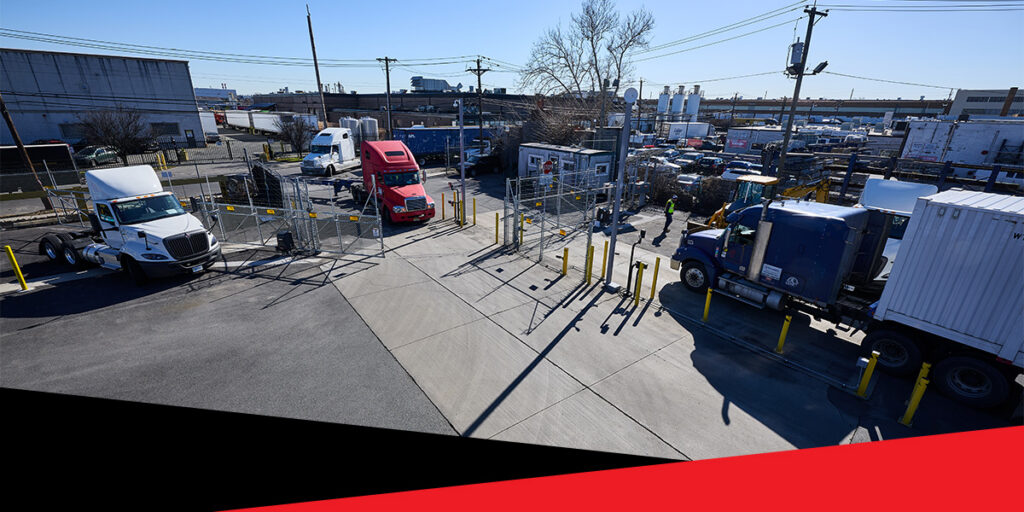
Perimeter security improvements should be part of the overall risk mitigation process to address certain risks. Some industries are particularly susceptible to cargo theft due to organized crime. If you’re a part of these industries, you need to determine whether your physical security measures are sufficient. Robust physical security also contributes to cybersecurity, helping protect your facility from hardware tampering and unauthorized access.
Additionally, the rise of AI has increased the sophistication of cyberattacks. In a 2025 cybersecurity report, respondents perceive the following risks to have increased:
- AI vulnerabilities: 87%
- Supply chain disruptions: 65%
- Software vulnerability exploitation: 58%
- Insider threats: 32%
4. Identify Suitable Recovery Strategies
Once you’ve identified your risks, map out actionable recovery strategies to lead your business quickly back to full strength. Clear security protocols and procedures ensure your team knows exactly how to respond in the event of disruptions. Set recovery phase objectives to define your goals during restoration and resume operations efficiently. For instance, these objectives can include the maximum acceptable downtime and losses your organization is willing to withstand.
5. Establish a Clear Communication Strategy
Clear communication channels enable information to flow seamlessly within the organization during critical periods, enabling quick decision-making and response from team members. The best strategies maintain transparency and convey timely information to stakeholders. Your BCP ideally includes:
- Notification procedures.
- Communication methods.
- Contact information of key personnel, first responders, and suppliers.
Define the active roles and duties of employees during emergencies. Create communication and public relations policies to address potential issues from customers or vendors. Designate primary contacts to prevent conflicting statements. You can also create crisis templates for different modes of communication, such as email, social media, and other press materials, to speed up response times.
6. Train Your Team
It’s best to pair a strong BCP with a trained team. Conduct awareness training that simulates various disaster scenarios so your team understands their specific responsibilities. This training enables employees to practice decision-making and response strategies in a controlled environment. Emergency drills also help identify BCP gaps, strengths, and areas of improvement.
Your staff should know how to access company resources, emergency protocols, and crisis manuals when they need to. Your plan should be easy for all team members to understand. Ongoing training keeps your team sharp and your plan agile, ready for new threats as your business evolves. Adjust as needed to keep the BCP relevant despite evolving risks and organizational changes.
Business Continuity Plans vs. Disaster Recovery Plans
Business continuity plans are often compared with disaster recovery plans. Understanding their differences allows you to recognize when you may need both. Here’s an overview of their difference:
- Business continuity plans: BCPs are precise plans that detail how your organization should act during disasters or operational disruptions. They cover all scenarios, focusing on holistic preparation and prevention.
- Disaster recovery plans outline processes for responding to disasters and include contingency plans. They document how your organization should respond to major catastrophes and the steps to take to return to your normal operations. These plans often cover data restoration, backups, and other aspects of data security planning.
These approaches can be implemented separately or together as a business continuity and disaster recovery plan.
Leave Your Perimeter Security Needs to AMAROK
Developing a BCP requires identifying vulnerabilities and implementing targeted solutions. Physical security improvements play a critical role in mitigating external threats. AMAROK offers integrated perimeter security solutions tailored to your industry and unique business needs. Whether you manage a single facility or several sites nationwide, AMAROK’s customizable protection gives you complete confidence.
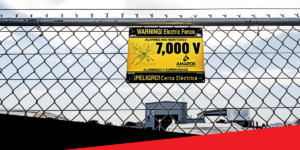
The Electric Guard Dog® Fence prevents 99% of external theft for our customers after installation. The fence delivers a safe but memorable shock of 7,000 volts, eliminating the need for security guards and saving companies an average of $120,000 annually. Integrating the fence with our video surveillance systems and building intrusion detection systems gives you multiple levels of security that make criminals think twice about intruding on your operations. Find your nearest AMAROK representative today to get started with our free risk assessment.