
Your security system should protect your property, not keep you up at night doubting its effectiveness. And the reality is that traditional security solutions can start to fail you. Early recognition of the warning signs can save you from financial losses, operational downtime, and eroded customer trust. Here’s how to spot failure in your security before it’s too late.
Why Traditional Security Is Lacking
Passive security systems create a dangerous illusion of protection. These reactive measures treat security as damage control rather than crime prevention, sharing the following critical weaknesses:
-
Cameras only record crimes: When used alone, video surveillance cameras only document what happened after criminals have already caused damage or stolen assets.
-
Alarms sound after intrusion: With reactive systems, you only receive a notification after the breach has already occurred.
-
Security guards have limited capabilities: Even the most vigilant personnel can leave vast sections of your facility unmonitored and vulnerable.
7 Signs of Security System Failure
Gaps in your security can go unnoticed until an incident reveals a more serious, costly risk. Here are the top signs your business security system isn’t working and what to do about it.
1. Repeated Theft or Vandalism
Criminals striking the same location multiple times sends a clear message that your security measures aren’t a threat. Vacant properties are especially vulnerable because thieves can operate without immediate detection, returning night after night to strip equipment, copper wiring, or inventory.
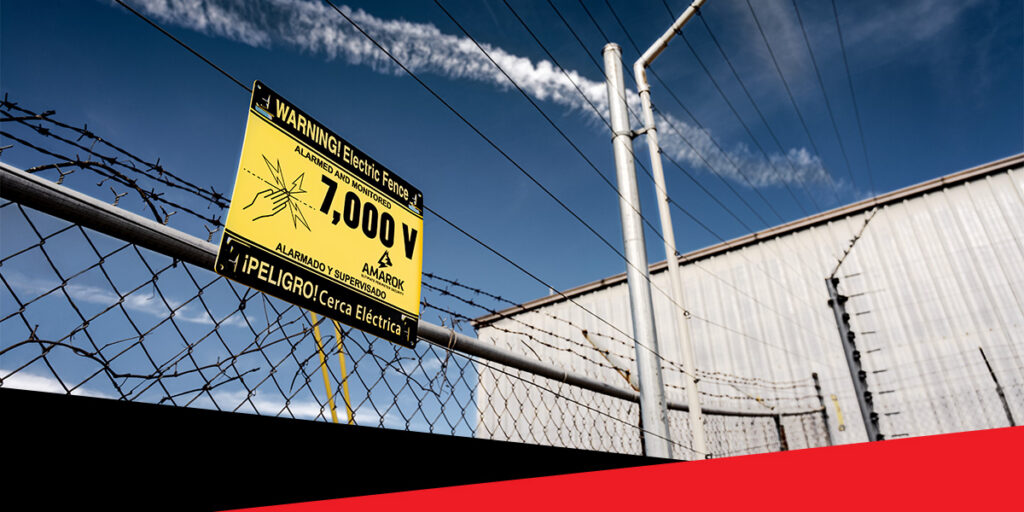
Reactive security only documents these losses, while proactive deterrence prevents them from happening. One fleet operator saved over $1 million in projected losses by securing its equipment yards with solutions that actively discourage criminal activity before theft can occur. For example, a medically safe electric fence creates an impenetrable physical barrier that stops intruders at your perimeter.
2. Obvious Physical Wear and Tear
Visible deterioration signals imminent failure. Rusted camera housings, damaged sensor casings, exposed wiring, and loose mounting brackets are structural vulnerabilities that criminals look for before targeting a property.
Severe weather accelerates this decline. Extreme temperatures can crack plastic components, heavy rain can corrode metal fixtures, and wind can loosen equipment. Each storm compounds existing damage until your system fails at the worst possible moment. Exposed copper wiring poses an especially acute risk, as thieves can profit from selling it on resale markets.
3. Frequent False Alarms
False alarms carry hidden costs beyond immediate disruption. Every unnecessary trigger forces employees to stop work, and repeated false alarms can result in municipal fines or delayed response times during real emergencies.
The damage caused by false alarms is also psychological. Alarm fatigue desensitizes your team. Modern integrated systems eliminate most false alarms through intelligent detection that distinguishes between genuine threats and environmental triggers. Upgrading to technology that only alerts you during actual breaches restores both operational efficiency and employee confidence.
4. Increasing Maintenance and Repair Costs
Throwing money at an aging system produces diminishing returns. As repair bills become a regular budget line item, you’re funding a losing battle against inevitable obsolescence. For example, you may have cameras that fail repeatedly or sensor arrays that require constant recalibration. Each repair is a temporary fix to a permanent problem.
A fully maintained modern system costs less over time than perpetually patching outdated equipment. Partnering with a security partner makes maintenance predictable rather than reactive. The return on investment comes from eliminating downtime, preventing losses, and gaining confidence that your investments will perform as expected.
5. Relying on Legacy Systems
Legacy systems fail on multiple fronts. Grainy CCTV footage can’t identify faces or license plates. Systems without remote access leave you blind to threats during off-hours. Another example is fixed cameras that can’t track movement across your property.
Strategically placed, high-definition cameras with remote monitoring transform passive recording into active threat detection. You can use your mobile device or desktop computer to check in with your camera footage at any time. Alternatively, you can have a professional monitoring team keep an eye on your site 24/7, increasing the odds of catching a criminal in the act or even stopping one before it occurs.
6. Unmonitored Blind Spots
Incomplete coverage creates opportunities that criminals actively exploit. Unmonitored back entrances, far corners of storage yards, and gaps where cameras aren’t recording become vulnerabilities. Thieves study these weaknesses before they strike, choosing entry points where they can work undetected. Even if you have 24/7 security guards on site, it’s impossible for them to physically monitor every area of your property at once.
7. Power or Network Outages
Grid-dependent systems tend to fail during your most vulnerable moments. Extreme weather can knock out power, and network disruptions can sever communication between components. In those critical hours of darkness, your property is completely unprotected.
According to the U.S. Department of Energy, blackouts could increase significantly in the coming years as extreme weather events become more frequent. Relying solely on grid power is gambling with your assets. Solar-powered security systems with battery backup ensure continuous protection regardless of storms or infrastructure failures.
How to Shift from a Reactive to a Proactive Security Strategy
A reactive approach to perimeter security involves taking action only after your assets have been stolen or damaged. By the time you receive an alert or review the camera footage, the incident has already occurred and harmed your business.
A proactive security strategy involves implementing preventive measures in advance. You take action to deter and detect potential threats before they can strike. A proactive approach provides multiple strategic advantages:
-
Physical barriers deter criminals: Electric fencing delivers immediate consequences in the form of a safe but memorable shock to anyone attempting unauthorized entry.
-
Integrated monitoring detects intrusions early: Advanced systems identify suspicious activity at the perimeter rather than once intruders are inside your facility.
-
Layered defenses eliminate single points of failure: Multiple security measures work together, so bypassing one layer immediately engages others.
This shift from reacting to being proactive means you no longer have to manage losses. Instead, you can take a forward-thinking approach to identify vulnerabilities and mitigate risks preemptively.
Secure Your Perimeter With AMAROK
Your security is only as strong as its most vulnerable point. Many signs can indicate that your current security system is no longer working, putting your property, assets, and people at risk.
Stop theft before it happens with industry-leading perimeter security solutions from AMAROK. The first step is a free risk assessment, where we will identify signs that your security system is failing and recommend a multi-layered system designed for your specific vulnerabilities.
Request your risk assessment today and see how we’ve helped organizations like yours prevent 99% of external theft.